
What Does a Commercial Mechanic Do?
Keeping your heavy-duty vehicles running smoothly can feel like a constant challenge. You’re not alone if you’ve struggled with unexpected breakdowns or costly repairs that disrupt your business. Many people find it tough to maintain trucks, buses, and construction equipment without expert help.
You rely on a commercial mechanic to keep your heavy-duty vehicles like trucks, buses, and construction equipment running smoothly and safely. They inspect, diagnose, and repair engines, brakes, transmissions, and electrical systems using advanced tools.
They handle routine maintenance, safety checks, and emissions testing to prevent breakdowns and boost efficiency. Staying certified and skilled, they help minimize downtime and reduce costs.
If you want to understand how they support your business and fleet, there’s more to uncover.
Key Takeaways
- Inspects, maintains, and repairs heavy-duty vehicles like trucks, buses, and construction equipment to ensure reliability and safety.
- Uses specialized diagnostic tools to identify engine, transmission, brake, and electrical system issues.
- Performs routine maintenance, emissions testing, and safety inspections to meet regulatory and environmental standards.
- Replaces worn parts, adjusts mechanical components, and conducts preventive repairs to prevent breakdowns.
- Supports fleet operations by minimizing downtime, reducing repair costs, and enhancing vehicle performance and compliance.
What Commercial Mechanics Do
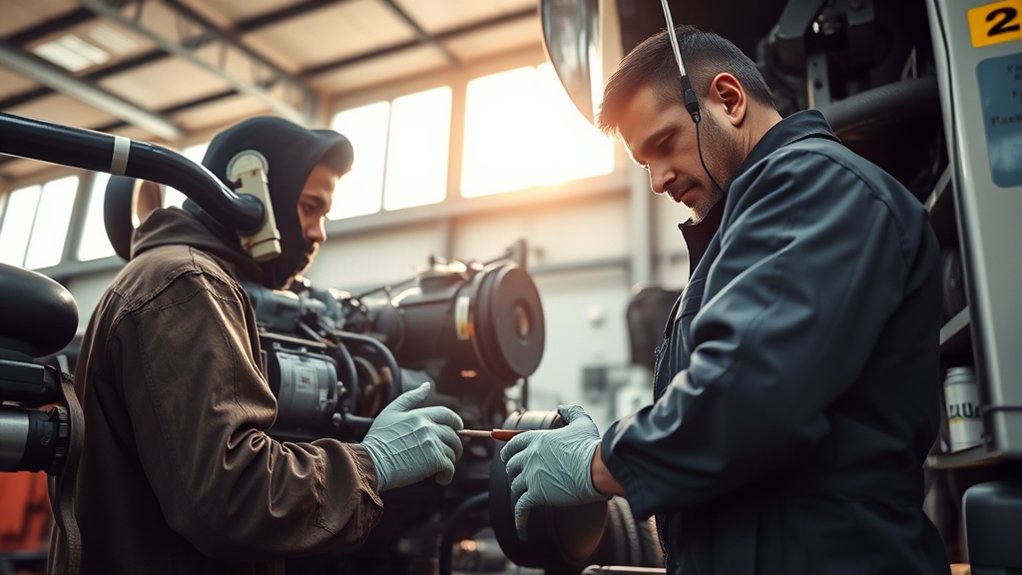
Although commercial mechanics handle various vehicle types, their primary role is to inspect, maintain, and repair heavy-duty vehicles like trucks and buses. When you work as a commercial mechanic, you’ll use specialized diagnostic tools to identify engine, transmission, and brake system issues accurately. These tools help you pinpoint problems that aren’t visible to the naked eye, saving time and guaranteeing precise repairs.
You’ll also perform routine emission testing to verify vehicles meet environmental standards. This task not only keeps the vehicles compliant with regulations but also helps maintain their efficiency and reduce harmful pollutants. Along with diagnostics and emission testing, you’ll replace worn parts, adjust mechanical components, and perform preventive maintenance to avoid breakdowns. Your work keeps fleets running smoothly, preventing costly downtime and enhancing safety on the road.
Ultimately, you play an essential role in maintaining the reliability and performance of heavy-duty commercial vehicles.
Vehicles Serviced by Commercial Mechanics?

Your skills as a commercial mechanic apply to a wide range of heavy-duty vehicles beyond just trucks and buses. You’ll often work on delivery vans, construction equipment, agricultural machinery, and even emergency service vehicles. Each of these vehicles demands your expertise in maintaining engine performance and guaranteeing compliance with regulations, especially regarding vehicle emissions.
You’ll regularly perform engine diagnostics to identify issues affecting power, fuel efficiency, and emissions control systems. This helps keep vehicles running smoothly and minimizes environmental impact. Whether it’s a dump truck, a forklift, or a fire engine, your knowledge ensures these machines operate safely and reliably.
How Commercial Mechanics Spot Vehicle Problems

When you inspect a commercial vehicle, you rely on a combination of visual checks, listening for unusual sounds, and using diagnostic tools to pinpoint problems. You start by examining key components like the engine, brakes, and suspension, watching for wear or leaks.
Next, you listen carefully for irregular noises that might indicate mechanical issues. Using advanced diagnostic techniques, such as computerized scanners and sensors, helps you identify electronic or engine faults that aren’t visible.
Throughout this process, you maintain clear customer communication, explaining what you find in simple terms. This keeps customers informed and involved, building trust and ensuring they understand the vehicle’s condition.
Common Repairs and Maintenance
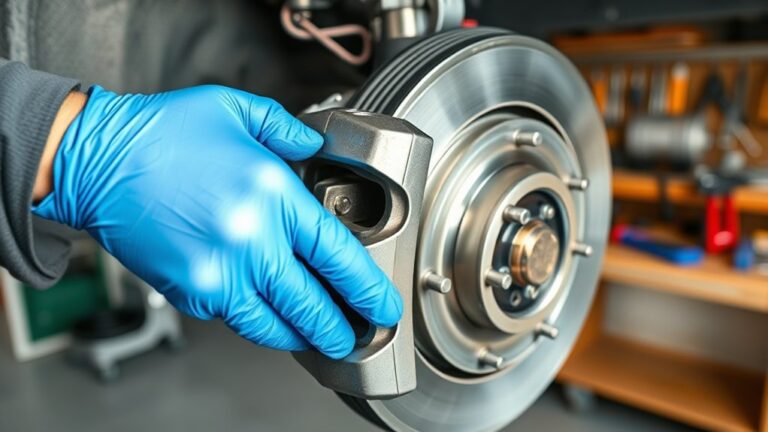
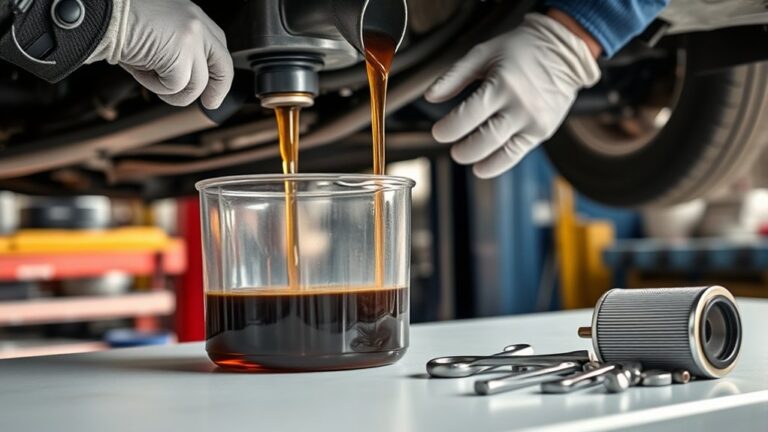
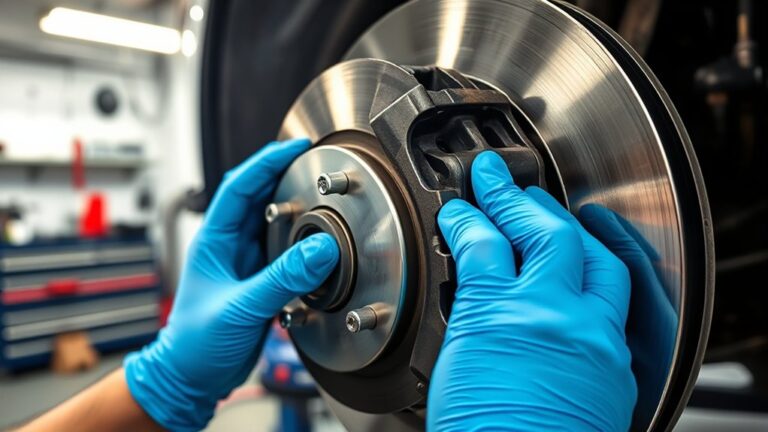
After identifying issues through careful inspection and diagnostics, you’ll move on to performing common repairs and routine maintenance that keep commercial vehicles in top shape. This includes tasks like brake repairs, oil changes, tire rotations, and fixing engine or transmission problems. You’ll also handle fleet customization to tailor vehicles for specific business needs, guaranteeing they operate efficiently and meet job requirements.
Routine emission testing is another critical part of your role. You’ll conduct these tests to ensure vehicles comply with environmental regulations, helping reduce harmful pollutants. Regular maintenance tasks such as replacing filters, checking fluid levels, and inspecting electrical systems prevent breakdowns and extend vehicle life.
Essential Skills for Commercial Mechanics
Although commercial vehicle repairs can be complex, mastering a core set of skills will help you tackle any challenge efficiently. As a commercial mechanic, you need more than just technical know-how. You must understand how your work fits into fleet management and customer service.
Here are four essential skills you should develop:
1. Diagnostic Expertise
Quickly identify mechanical and electrical issues using advanced tools and your experience.
2. Technical Proficiency
Repair and maintain engines, transmissions, brakes, and other commercial vehicle systems accurately.
3. Communication Skills
Explain repairs clearly to drivers and fleet managers, enhancing customer service and trust.
4. Time Management
Prioritize tasks to minimize vehicle downtime, supporting efficient fleet operations.
Why Safety Inspections Matter
Why do safety inspections play such a crucial role in commercial vehicle maintenance? Because they guarantee that every component meets strict inspection standards, keeping you, your passengers, and other road users safe.
When you follow safety protocols during inspections, you catch potential issues before they become serious problems. This proactive approach helps prevent accidents caused by mechanical failures, saving lives and reducing costly downtime.
Tools and Technology Used by Commercial Mechanics
When you work as a commercial mechanic, having the right tools and technology makes all the difference in diagnosing and repairing complex vehicle systems efficiently. You’ll rely heavily on advanced diagnostic tools to quickly pinpoint issues that aren’t visible to the naked eye. These tools communicate with a vehicle’s computer systems to read error codes and identify malfunctions.
Here are four essential tools and technologies you’ll use:
- Scan tools and code readers for troubleshooting electronic and engine problems.
- Emissions testing equipment to ensure vehicles meet environmental standards.
- Hydraulic lifts and jacks to safely access undercarriages for repairs.
- Specialized hand and power tools designed for heavy-duty parts and systems.
Mastering this equipment helps you work faster and deliver precise repairs, keeping commercial vehicles safe and road-ready.
How Commercial Mechanics Keep Fleets Running
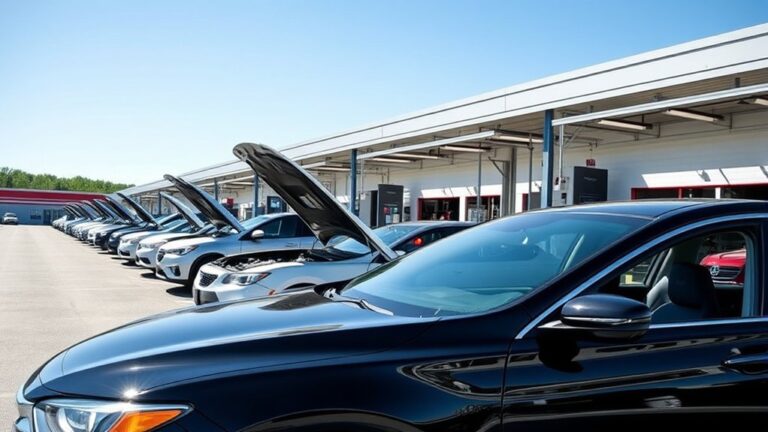
Because commercial fleets rely on consistent performance, you play an essential role in keeping vehicles running smoothly and minimizing downtime. You perform routine inspections and preventive maintenance to spot potential issues before they escalate, ensuring each vehicle stays reliable on the road. Your expertise helps avoid costly breakdowns that disrupt fleet management schedules and impact overall productivity.
When unexpected repairs arise, you act quickly to diagnose and fix problems, getting vehicles back in service as soon as possible. You also communicate clearly with fleet managers and drivers, providing updates and recommendations that support efficient operations. Your commitment to customer service builds trust, showing clients that you prioritize their business needs and vehicle safety.
Training and Certification for Commercial Mechanics
Your ability to keep commercial fleets running smoothly depends heavily on the skills and knowledge you bring to the job. Training and certification for commercial mechanics are vital for developing and maintaining these abilities.
Keeping commercial fleets running smoothly requires strong skills and ongoing training for commercial mechanics.
You’ll typically start with formal education, such as a technical school program focused on diesel or heavy equipment mechanics. Afterward, you’ll go through certification processes to validate your expertise, often including the ASE (Automotive Service Excellence) certifications.
To stay sharp and current, continuing education is indispensable. Here are four key steps in your training and certification journey:
- Complete a recognized technical or vocational training program.
- Gain hands-on experience through apprenticeships or entry-level jobs.
- Pass certification exams like ASE to prove your skills.
- Engage in continuing education to keep up with evolving technologies and industry standards.
Following these steps ensures you’re well-prepared and qualified to handle the demanding work of a commercial mechanic.
Why Commercial Mechanics Are Vital to Business Success
Although commercial mechanics often work behind the scenes, they play a crucial role in keeping your business moving efficiently. They guarantee your fleet runs smoothly, minimizing downtime and unexpected breakdowns that can disrupt your operations. By maintaining vehicles proactively, they help you avoid costly repairs and delays, directly supporting effective fleet management.
Commercial mechanics also contribute to reducing your environmental impact. Properly maintained engines run cleaner and use fuel more efficiently, helping your business meet environmental regulations and reduce emissions. This not only benefits the planet but also improves your company’s reputation for sustainability.
When you rely on skilled commercial mechanics, you’re investing in reliability, safety, and compliance. Their expertise keeps your vehicles in top shape, boosting productivity and lowering operational costs. In short, they’re essential partners in your business’s ongoing success.
Frequently Asked Questions
What Is the Average Salary of a Commercial Mechanic?
You can expect the average salary of a commercial mechanic to range between $45,000 and $65,000 per year, depending on experience and location. When you specialize in vehicle diagnostics and engine repair, your skills become highly valuable, which can boost your earnings.
If you keep improving your expertise with the latest diagnostic tools and repair techniques, you’ll likely see your salary grow as you take on more complex commercial vehicle maintenance tasks.
How Long Does It Take to Become a Commercial Mechanic?
Becoming a commercial mechanic takes months, not years, but it demands dedication. You’ll often start with training certifications that build your skills quickly. Then, apprenticeship programs put you right in the thick of real-world repairs, speeding up your learning.
While classroom time teaches theory, hands-on experience solidifies it. Typically, you’re looking at one to two years before you’re fully qualified, ready to tackle complex commercial vehicle issues with confidence.
Are Commercial Mechanics Required to Work Overtime?
Yes, you might be required to work overtime as a commercial mechanic, depending on your employer’s overtime policies. Some shops need you to stay late or come in on weekends to meet deadlines or handle emergencies.
However, many employers offer work schedule flexibility to help balance your hours. It’s a good idea to discuss these options during interviews or reviews to guarantee the job fits your lifestyle and commitments.
What Are the Physical Demands of Being a Commercial Mechanic?
You’ll face significant physical demands as a commercial mechanic, requiring both physical strength and endurance. You’ll often lift heavy parts and tools, work in awkward positions, and handle repetitive motions that present ergonomic challenges. Staying fit helps you manage these demands safely.
You’ll also need good stamina to work long hours on your feet, sometimes in confined spaces or extreme weather, making physical resilience essential for the job.
Can Commercial Mechanics Specialize in Certain Vehicle Types?
Yes, you can specialize in various vehicle types as a commercial mechanic. Specialization options include working on heavy-duty trucks, buses, diesel engines, or even specific brands.
Focusing on a particular vehicle type helps you develop expert skills and can increase your job opportunities. By honing your expertise in a niche, you’ll handle repairs and maintenance more efficiently, making you a valuable asset in the commercial vehicle industry.
Conclusion
Now that you know what commercial mechanics do, imagine what happens when they’re not around. Without their expertise, fleets would break down, deliveries would stall, and businesses could face costly delays.
You might think it’s just fixing vehicles, but it’s really about keeping entire industries moving. So next time you see a commercial mechanic at work, remember they’re the unsung heroes behind every successful journey.
Commercial mechanic play a vital role in ensuring everything runs smoothly when it matters most.