
5 Essential Tips for Brake Auto Repair
Struggling with brake issues can be frustrating and even scary, especially when you rely on your vehicle every day. You’re not alone—many people find it challenging to keep their brakes in top shape without spending a fortune or time at the shop. That’s why understanding the essential tips for brake auto repair can make a huge difference in safety and savings.
You’ll want to spot early signs like squeaking noises or a soft brake pedal to catch problems before they worsen. Don’t ignore grinding sounds or warning lights. Get a professional checkup right away.
If you’re tackling repairs, follow a clear step-by-step process and choose quality pads and rotors that fit your vehicle.
To extend brake life, avoid heavy braking and monitor fluid regularly. Keep going, and you’ll find smarter ways to maintain safe, effective brakes.
Key Takeaways
- Regularly inspect brake pads and rotors for wear. This helps prevent damage and keeps your braking performance safe.
- Address unusual noises or vibrations as soon as you notice them. Taking care of issues early stops them from getting worse.
- Use high-quality brake parts that fit your vehicle’s specifications. This ensures everything works smoothly and reliably.
- Bleed the brake system properly to remove any air. This step is key to maintaining effective brake pressure.
- Keep an eye on brake fluid levels and maintain them. Doing this ensures your brakes work efficiently and safely.
How to Spot Early Signs of Brake Problems

When your brakes start to show signs of trouble, catching them early can save you from costly repairs and dangerous situations. You’ll want to listen for any unusual squeaking or grinding noises, which often indicate brake pad wear.
If you notice your brake pedal feels softer or sinks toward the floor, it’s a sign your brake fluid might be low or contaminated. Pay attention to any vibrations when you press the brakes, as these can signal uneven brake pad wear or warped rotors.
Also, watch for any pulling to one side when braking, which could mean uneven brake pad wear or issues with the brake fluid system. Checking your brake fluid level regularly helps spot leaks or contamination early.
When to Seek Professional Brake Repair?
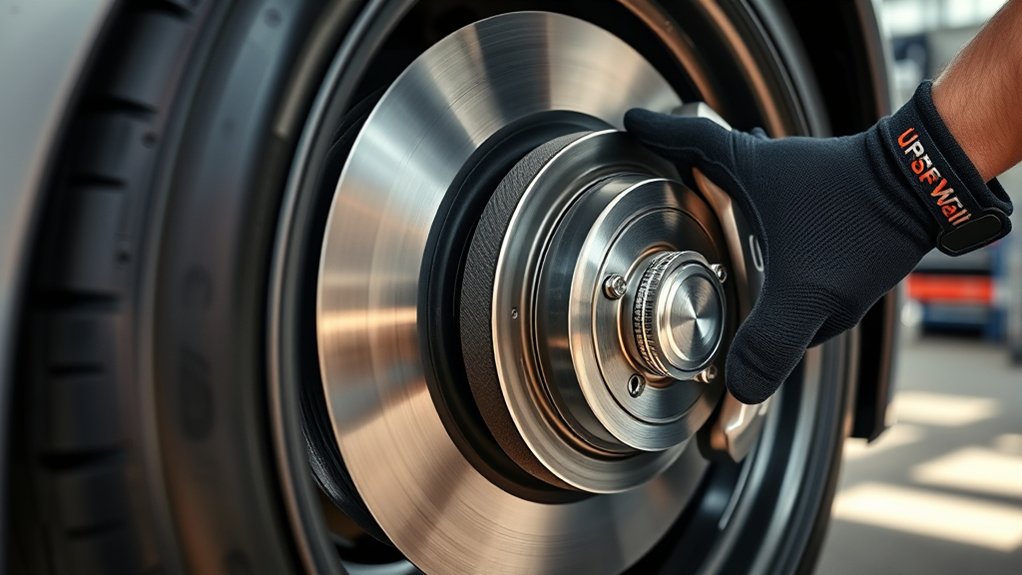
If you hear persistent grinding noises or feel a noticeable decrease in braking power, it’s time to consult a professional mechanic. These symptoms often indicate serious issues like excessive brake pad wear or contaminated brake fluid that require expert attention. Don’t ignore warning signs such as a soft brake pedal or brake warning lights on your dashboard.
These could mean your brake fluid is low or degrading, which affects braking efficiency and safety. Attempting repairs without proper tools or knowledge can worsen the problem. A professional can accurately diagnose the root cause, whether it’s worn brake pads, fluid leaks, or other brake system faults.
Regular inspections are essential, especially if you notice vibrations or pulling when braking. Getting expert help promptly prevents costly damage and guarantees your brakes function reliably, keeping you safe on the road. Trust their experience to maintain your vehicle’s braking system properly.
How to Repair Your Brakes: Step-by-Step Guide
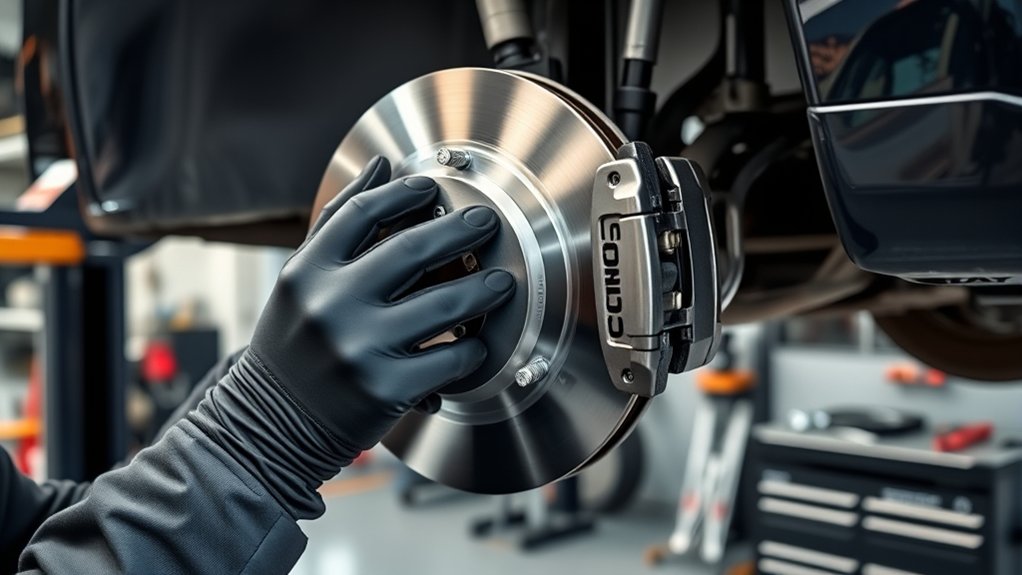
Ignoring brake issues or relying solely on professionals can be costly and time-consuming. To repair your brakes yourself, start by safely lifting your vehicle and removing the wheels.
For brake pad replacement, remove the caliper bolts, slide out the worn pads, and install new ones. Be sure to check the rotor condition and replace or resurface if necessary.
Next, focus on brake fluid bleeding to remove air from the system. Attach a clear hose to the bleeder valve, have a helper press the brake pedal, and open the valve to let fluid flow until bubbles disappear.
Close the valve before your helper releases the pedal to avoid air intake. Repeat on all wheels, topping off the brake fluid reservoir as needed.
Finally, reinstall wheels, lower your car, and test brakes at low speed. Following this step-by-step guide helps you maintain safety and saves money without unnecessary delays.
Choosing the Right Brake Repair Parts for Your Vehicle
Choosing the right brake repair parts guarantees your vehicle performs safely and efficiently after maintenance. When selecting parts, you need to take into account several key factors to ensure compatibility and longevity.
Pay close attention to brake pad materials like ceramic, semi-metallic, or organic. Each offers different benefits such as noise reduction or durability. Also, rotor sizing must match your vehicle’s specifications to avoid uneven wear or poor braking performance.
Brake pad materials and correct rotor sizing are key for balanced wear and optimal braking performance.
Here are essential points to keep in mind:
- Verify brake pad materials based on your driving habits and vehicle type
- Confirm rotor sizing according to manufacturer guidelines
- Choose OEM or high-quality aftermarket parts for reliability
- Check compatibility with your vehicle’s braking system
- Consider heat resistance and wear rate of chosen components
Easy Tips to Make Your Brakes Last Longer
While regular maintenance is essential, adopting a few simple driving habits can considerably extend your brake life. You can start by avoiding sudden stops and heavy braking, which wear down your brake pads prematurely. Instead, anticipate traffic flow and apply brakes gently.
Regular brake pad maintenance is vital. Check pads for wear and replace them promptly to prevent damage to rotors. Don’t forget to monitor your brake fluid levels and quality.
Old or low brake fluid can reduce braking efficiency and cause corrosion in brake components. Flushing and replacing brake fluid according to your vehicle’s schedule keeps the system responsive.
Also, avoid riding your brakes, especially on downhill stretches. Use engine braking when possible to reduce pad wear. By combining careful driving habits with timely brake fluid checks and brake pad maintenance, you’ll save money and keep your brakes reliable longer. Taking these easy steps helps you stay safe and maintain performance without extra hassle.
Frequently Asked Questions
Can I Use Aftermarket Brake Parts Instead of OEM Parts?
Yes, you can use aftermarket brake parts instead of OEM parts, but you need to guarantee aftermarket compatibility with your vehicle. Aftermarket parts often meet or exceed OEM standards, but quality varies widely.
You should research brands carefully and choose those that guarantee OEM-level performance and safety. Using reputable aftermarket parts can save you money without compromising brake reliability. Just always prioritize compatibility and standards to keep your brakes functioning properly.
How Does Brake Fluid Affect Braking Performance?
Brake fluid acts like the lifeblood of your braking system, pulsing through to keep everything responsive. When brake fluid contamination creeps in, it’s like dirt clogging veins. Your brakes won’t perform as they should.
If the fluid starts boiling, it creates vapor bubbles, making your pedal feel soft or spongy. You’ve got to keep that fluid clean and fresh to guarantee your braking stays sharp and reliable every time you hit the pedal.
What Causes Brake Pedal Vibration or Pulsation?
Brake pedal vibration or pulsation usually happens because of brake rotor issues, like warping or uneven surfaces. When your rotors aren’t smooth, the brake pads can’t grip properly, causing that shaky feeling.
Also, uneven brake pad wear can contribute, making the braking less consistent. If you notice this vibration, it’s a good idea to inspect both your rotors and pads to keep your braking smooth and safe.
Are Brake Repairs Covered Under Vehicle Warranty?
Brake repairs might be covered under your vehicle’s warranty, but it depends on the warranty coverage details. Typically, warranties cover defects in materials or workmanship, not regular wear and tear like brake pads or rotors.
To check your repair eligibility, review your warranty terms or contact your dealer. If the issue stems from a manufacturing defect, you’re likely covered. Otherwise, brake repairs usually fall under your maintenance responsibilities.
How Often Should Brake Fluid Be Replaced?
You should replace your brake fluid about every two years or 24,000 miles before contamination turns it into a ticking time bomb. Brake fluid contamination can cause moisture buildup, leading to corrosion and brake failure.
Regular brake fluid flushing removes this moisture and keeps your braking system responsive. Don’t wait until your brakes feel spongy or less effective. Flush the fluid on schedule to stay safe and avoid costly repairs down the road.
Conclusion
Taking care of your brakes might seem overwhelming, but it’s well worth the effort to keep you safe on the road. You might think professional repairs are too expensive or unnecessary, but catching issues early can actually save you money and prevent dangerous situations.
By following these tips, you’ll spot problems sooner, choose the right parts, and extend your brakes’ life. This will give you confidence and peace of mind every time you drive. Remember, regular brake auto repair is key to staying safe and avoiding costly damage down the line.