
5 Essential Steps for Power Steering Gearbox Repair
If you’ve ever experienced stiffness or strange noises while steering your vehicle, you’re not alone. Many people struggle with power steering issues that can make driving frustrating and unsafe. Finding the right guidance and tools to repair your power steering gearbox repair can feel overwhelming but getting it fixed properly is essential for smooth and safe handling.
To repair your power steering gearbox, first spot early signs like unusual noises, fluid leaks, or steering difficulty. Next, gather essential tools such as wrenches, a pitman arm puller, and a fluid extractor.
Carefully remove the gearbox by draining fluid, disconnecting components, and unbolting it from the frame. Then, clean and inspect for damage like worn gears or leaks.
Finally, reinstall everything securely, refill fluid, and test for smooth operation. There’s more to uncover for a complete fix.
Key Takeaways
- Identify early signs of gearbox trouble like unusual noises, fluid leaks, or increased steering effort.
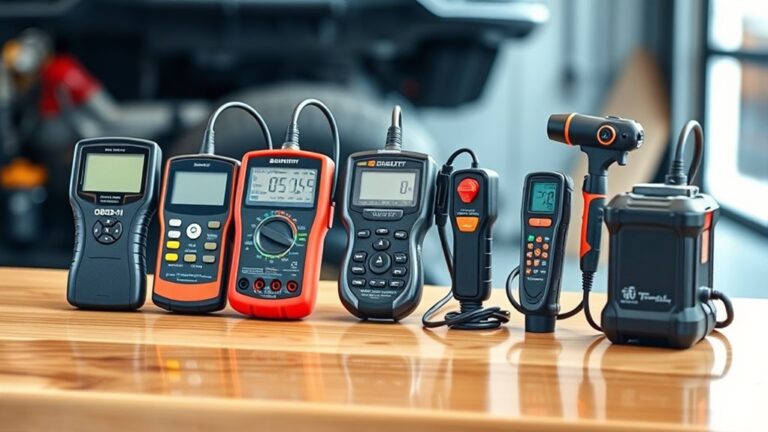
- Gather necessary tools including wrenches, torque wrench, pitman arm puller, and fluid extractor.
- Safely lift the vehicle, disconnect the battery, drain fluid, remove the pitman arm, and unbolt the gearbox.
- Clean the gearbox thoroughly and inspect for corrosion, cracks, worn parts, and fluid contamination.
- Reinstall the gearbox, refill fluid, bleed air by turning the wheel, and perform a test drive to ensure smooth operation.
Spotting Early Signs of Power Steering Gearbox Trouble
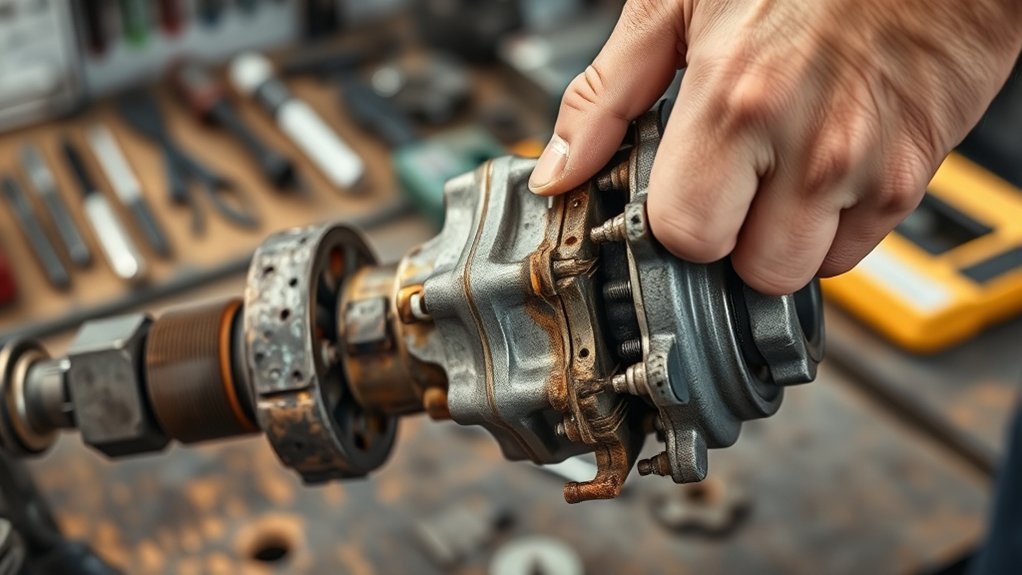
How can you tell if your power steering gearbox is starting to fail? One of the first signs you might notice is unusual gearbox noise, such as whining or grinding sounds when you turn the wheel. These noises often indicate internal wear or low lubrication.
Checking your steering fluid level is essential. If it’s low or looks dirty, it could be causing the gearbox to malfunction. You might also feel increased effort when steering or notice a delay in response. These symptoms suggest the gearbox isn’t properly transferring your input to the wheels.
Furthermore, leaks around the gearbox or fluid pooling under your vehicle can hint at seal failure. By staying alert to these early signs—gearbox noise, steering fluid issues, and changes in steering feel—you can address problems before they lead to complete failure, saving time and money on repairs.
Tools You’ll Need for Power Steering Gearbox Repair

Noticing early signs of power steering gearbox trouble is just the beginning. You’ll need the right tools to fix the issue properly. Start with a good set of wrenches and sockets to handle bolts and fittings during common troubleshooting.
A torque wrench is essential to guarantee bolts are tightened to the manufacturer’s specifications, preventing damage. You’ll also want a grease gun or appropriate lubricant for gearbox lubrication to reduce wear and ensure smooth operation.
Don’t forget a pitman arm puller, which helps remove the steering arm without damaging components. A fluid extractor or pump is handy for draining old power steering fluid before repairs.
Finally, keep a clean workspace with rags and a drip tray to catch spills. Having these tools ready will streamline your repair process, making it safer and more efficient as you tackle gearbox issues head-on.
How to Remove Your Power Steering Gearbox

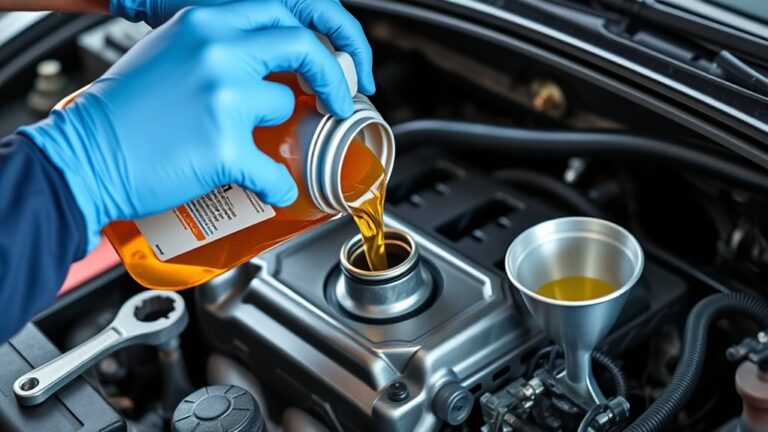
Before you begin removing the power steering gearbox, make sure the vehicle is securely lifted and supported to give you safe access underneath. Start by disconnecting the negative battery terminal to prevent electrical issues.
Next, drain the hydraulic fluid from the system to avoid spills when detaching lines. Carefully disconnect the power steering lines from the gearbox, capping them to keep dirt out.
Drain hydraulic fluid and disconnect power steering lines, capping them to prevent contamination and spills.
Remove the pitman arm using a puller tool, then unbolt the gearbox from the frame. As you take the gearbox out, handle it gently to avoid damaging its internal parts.
Keep track of all bolts and components for reassembly. Once removed, you’ll be ready to address gearbox alignment during installation, ensuring smooth steering operation.
Following these steps will help you safely and efficiently remove your power steering gearbox without causing damage or leaks.
Cleaning and Inspecting the Gearbox for Damage
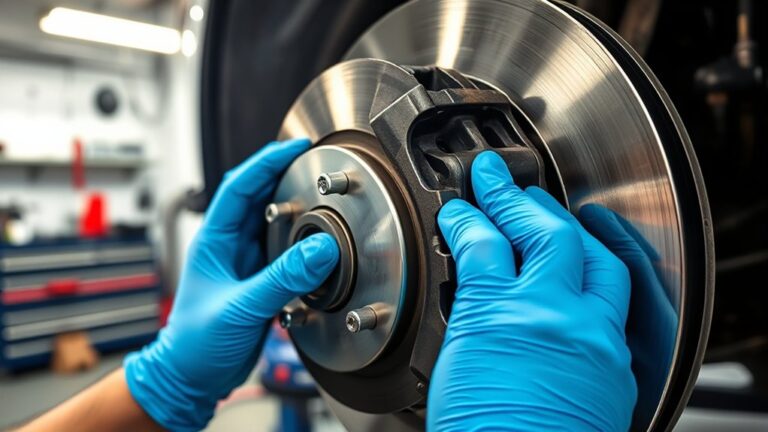
Once you’ve carefully removed the power steering gearbox, the next step is to clean it thoroughly to spot any signs of wear or damage. Use a suitable solvent to remove grime, old fluid, and debris from the exterior and interior parts. Pay close attention to areas prone to fluid contamination, as dirty fluid can accelerate wear and cause internal issues.
After cleaning, inspect the gearbox for corrosion, especially around seals and joints. Gearbox corrosion weakens the metal and can lead to leaks or failure. Look for pitting, rust, or discoloration that might indicate corrosion.
Also, check for cracks, worn gears, or damaged bearings. If you notice any signs of fluid contamination inside the gearbox, such as sludge or metal shavings, it’s a red flag that components may be compromised. Addressing these problems now ensures a more reliable repair and prevents future steering issues.
Reinstalling and Testing Your Power Steering Gearbox
After thoroughly cleaning and inspecting the gearbox, you’ll want to carefully reinstall it to guarantee everything fits and functions correctly. Begin by aligning the gearbox with its mounting points, then secure it firmly with bolts tightened to the manufacturer’s specifications. Reconnect all steering linkages and fluid lines, making certain seals are intact to prevent fluid leakage. Once installed, refill the power steering reservoir with the recommended fluid.
Next, start your engine and turn the steering wheel from lock to lock several times. This helps eliminate air pockets and allows you to check for fluid leakage around the gearbox. Listen carefully for any unusual noises; proper installation should result in noticeable noise reduction compared to before the repair. Finally, take a short test drive to confirm smooth steering response and to verify that no leaks or noises persist. By following these steps, you guarantee your power steering gearbox operates reliably and quietly.
Frequently Asked Questions
What Causes Power Steering Fluid Leaks in the Gearbox?
You’ll find power steering fluid leaks in the gearbox mainly caused by seal deterioration. Over time, those seals wear out or get damaged, allowing fluid to escape.
Also, high hydraulic pressure inside the system can push fluid past weakened seals or small cracks. If you don’t address these leaks, you risk losing fluid and damaging the gearbox further.
How Often Should Power Steering Fluid Be Changed?
You should change your power steering fluid every 50,000 miles or about every two years. Notably, studies show that fluid contamination causes over 70% of power steering failures.
Regular fluid changes help prevent leaks and keep the system running smoothly. By flushing old fluid, you reduce wear and tear, ensuring leak prevention and better steering response.
Don’t skip this maintenance step. It saves you costly repairs down the road.
Can a Faulty Power Steering Gearbox Affect Fuel Efficiency?
Yes, a faulty power steering gearbox can affect your fuel efficiency. When the gearbox struggles, it compromises steering responsiveness, making your engine work harder to maintain control.
This inefficiency often results from inconsistent fluid pressure, which forces the system to use more power. So, if you notice sluggish steering or unusual noises, addressing the gearbox issue can help restore fluid pressure consistency and improve your vehicle’s fuel economy.
Are Power Steering Gearbox Repairs Covered by Vehicle Warranties?
Whether power steering gearbox repairs are covered by warranty coverage depends on your vehicle’s specific warranty terms. If your warranty includes the power steering system, the repair process might be covered, especially if the issue results from a manufacturing defect.
However, wear and tear usually aren’t covered. You should review your warranty documents or contact your dealer to confirm what’s included before starting the repair process to avoid unexpected costs.
What Are the Differences Between Manual and Automatic Power Steering Gearboxes?
You’ll notice manual power steering gearboxes rely on hydraulic systems to assist your steering, using fluid pressure to make turning easier.
Automatic gearboxes, however, often include electronic controls that adjust steering calibration dynamically for better precision and comfort. While manual systems offer straightforward operation, automatic ones provide smoother handling by adapting to driving conditions.
Understanding these differences helps you choose the right system for your driving style and vehicle needs.
Conclusion
Fixing your power steering gearbox repair is like tuning a finely crafted instrument. Every step matters to keep the ride smooth and responsive.
By spotting early signs, gathering the right tools, carefully removing, cleaning, and inspecting the gearbox, then reinstalling and testing it, you’re ensuring your steering feels precise and safe.
Follow these essential steps, and you’ll steer with confidence, knowing your power steering gearbox is working strong and steady on every drive.