
What Is Included in Car Service Maintenance?
If you’ve ever felt overwhelmed by all the things involved in keeping your car in top shape, you’re not alone. Many people struggle to understand what car service maintenance really includes and why it matters. Knowing what to expect can save you time, money, and stress down the road.
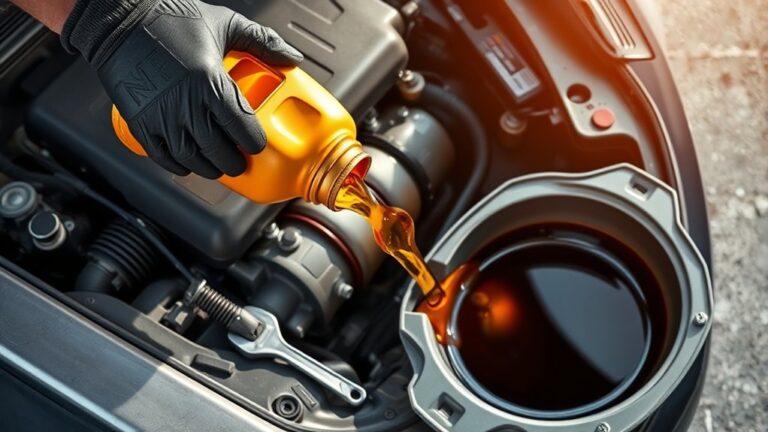
In car service maintenance, you’ll have your engine oil changed and essential fluids topped up to keep things running smoothly. Your brakes, tires, suspension, and steering get inspected for wear and safety, while filters are replaced as needed.
They’ll also check for leaks, corrosion, and uneven tire wear to prevent issues down the road.
Plus, interior cleaning and exterior checks help preserve your vehicle’s value. Keep going, and you’ll uncover how these steps protect your investment and safety.
Key Takeaways
- Engine oil, brake fluid, coolant, and other essential fluids are checked and topped up or replaced as needed.
- Tires are inspected for tread depth, pressure, and damage. They are also rotated to ensure even wear and safety.
- Brake system, suspension, and steering components are examined for wear, leaks, and proper function.
- Exterior and interior maintenance includes cleaning, upholstery treatment, and checking for paint chips or rust.
- Filters such as air and cabin filters are replaced according to schedule to maintain engine and air quality.
What a Standard Car Service Includes
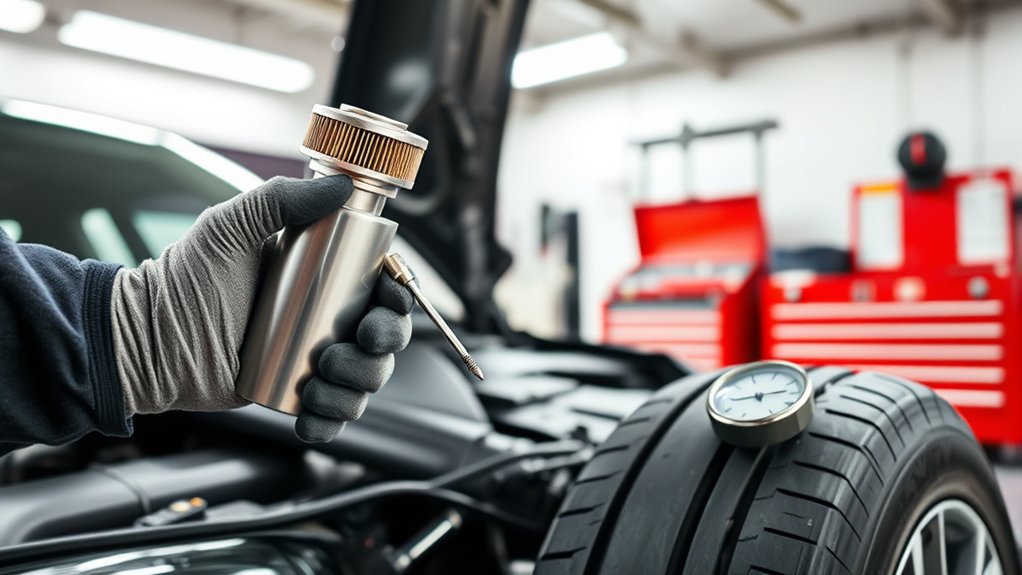
When you bring your car in for a standard service, the technician checks essential components like the engine oil, brakes, and tires to guarantee everything runs smoothly. Beyond these mechanical checks, they often inspect your car paint for any chips or scratches that might need attention to prevent rust.
During a standard service, technicians check engine oil, brakes, tires, and inspect paint for chips to prevent rust.
Keeping the exterior in good shape helps maintain your vehicle’s value and appearance.
Inside, interior cleaning is usually part of the service package, so you don’t have to worry about dirt buildup or unpleasant odors. This includes vacuuming carpets, wiping down surfaces, and sometimes even treating upholstery.
A clean interior not only improves comfort but also protects materials from wear and tear.
Why Oil Changes Matter in Car Service

Beyond keeping your car’s interior and exterior in great shape, maintaining the engine oil plays a key role in your vehicle’s overall health. Regular oil changes guarantee that the oil remains clean and effective, which directly impacts oil efficiency.
When oil is fresh, it lubricates engine components properly, reducing friction and preventing wear. This not only helps your engine run smoothly but also boosts fuel efficiency, saving you money at the pump.
Neglecting oil changes allows dirt and debris to accumulate, causing the oil to thicken and lose its effectiveness. Over time, this can lead to increased engine wear, overheating, and even costly repairs.
How Brake Inspections Keep You Safe During Car Service
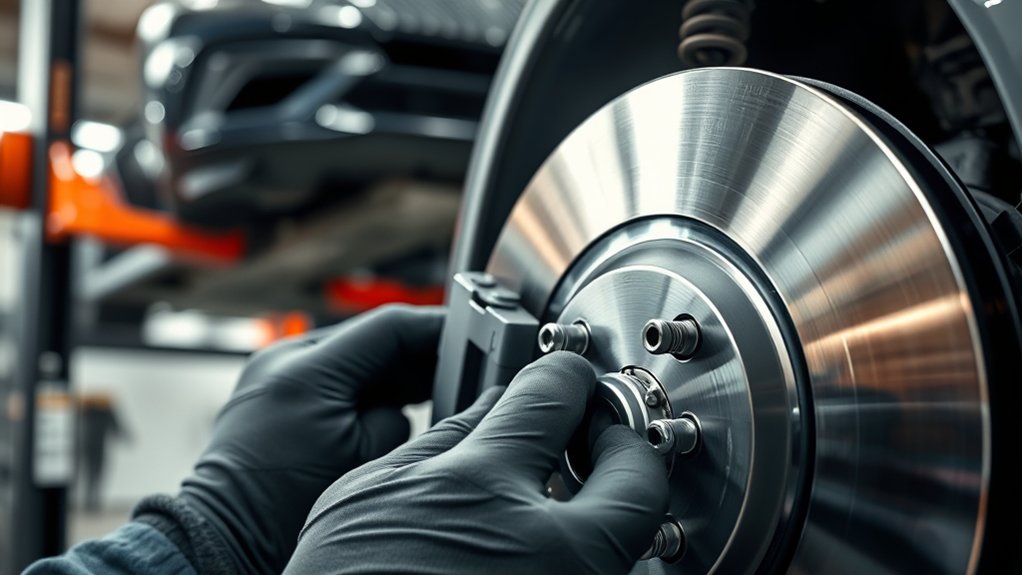
When you get your brakes inspected, you can catch signs of wear before they turn into a real danger. It’s not just about the pads, either — checking the brake fluid is super important to keep everything running smoothly. Together, these steps help make sure you stay safe on the road every time you drive.
Signs of Brake Wear
How do you know if your brakes need attention before it’s too late? Paying attention to early signs of brake wear can save your life. When the brake pad thins out, your stopping power decreases, risking accidents.
A worn brake disc can cause vibrations or a pulsing sensation in the pedal. Here are four key signs to watch for:
- Squealing or grinding noises when braking
- Increased stopping distance or a spongy brake pedal
- Visible wear or grooves on the brake disc
- Brake warning light on your dashboard
Don’t ignore these signs. Regular brake inspections during car service catch these issues early, ensuring your brakes perform reliably and keep you safe on the road.
Importance of Brake Fluid
Noticing signs of brake wear is important, but keeping your brake fluid in good condition is just as vital for your safety. Brake fluid transfers the force from your brake pedal to the brake pads, enabling your vehicle to stop efficiently.
Over time, brake fluid can absorb moisture, which reduces its effectiveness and may lead to brake failure. During your car service, technicians check the brake fluid level and quality.
If the fluid looks dark or contaminated, they recommend fluid replacement to maintain peak braking performance. Regular brake fluid checks prevent corrosion and ensure your brakes respond promptly.
Checking and Topping Up Essential Fluids in Car Service
When you’re getting your car serviced, it’s a good idea to check the levels of essential fluids like engine oil, coolant, brake fluid, and windshield washer fluid. Keeping these topped up helps your vehicle run smoothly and safely.
Essential Car Fluids
When was the last time you checked your car’s essential fluids? These fluids play a vital role in keeping your vehicle running smoothly, maintaining fuel efficiency, and meeting emission standards. Neglecting them can lead to costly repairs or poor performance.
Be certain you regularly check and top up these key fluids:
- Engine oil lubricates and protects your engine.
- Coolant prevents overheating and corrosion.
- Brake fluid ensures responsive braking.
- Transmission fluid keeps gear shifts smooth and efficient.
Fluid Level Checks
How often do you check your car’s fluid levels? Regularly inspecting and topping up essential fluids like engine oil, coolant, brake fluid, and windshield washer fluid is important to keep your vehicle running smoothly.
During a car service, technicians often use engine diagnostics to identify any issues affecting fluid performance or leaks. Proper fluid levels guarantee your engine runs efficiently and protect crucial components from damage.
Don’t forget the climate control system; its coolant also needs monitoring to maintain ideal heating and air conditioning performance. Neglecting fluid checks can lead to overheating, brake failure, or poor climate control function.
When to Replace Filters During Car Service
Although filters may seem like small components, they play an essential role in keeping your car running smoothly. Replacing them on time guarantees your engine breathes clean air, and your cabin stays free from dust and allergens. Here’s when you should replace key filters during car service:
- Air filter Replace every 12,000 to 15,000 miles or once a year, especially if you drive in dusty conditions. A clogged air filter reduces fuel efficiency and engine performance.
- Cabin filter Change every 15,000 to 25,000 miles or annually to keep the air inside your car fresh and healthy.
- Inspect filters during every service visit and replace sooner if you notice dirt buildup or decreased airflow.
- Follow your vehicle manufacturer’s recommendations for filter replacement intervals to avoid costly repairs and maintain peak performance.
Keeping these filters fresh protects your car’s crucial systems and improves your driving comfort every time you hit the road.
Battery and Electrical Checks in Car Service
Keeping your car’s filters in good shape helps maintain overall vehicle health, but your battery and electrical system also deserve regular attention. During car service, professionals perform battery diagnostics to check your battery’s charge, condition, and ability to hold power. This helps prevent unexpected breakdowns and guarantees your car starts reliably every time.
The electrical system powers everything from your headlights to onboard computers and also gets a thorough inspection. Technicians test wiring, connections, and fuses to spot any corrosion, damage, or loose parts that could cause electrical failures. If they find issues, they’ll recommend repairs or replacements to keep your system running smoothly.
Regular battery and electrical system checks help you avoid inconvenient and costly problems down the road. By staying on top of these inspections during service, you keep your vehicle’s essential functions operating efficiently and safely, giving you peace of mind every time you get behind the wheel.
How Suspension and Steering Are Checked During Service
When your car gets serviced, the technician takes a close look at the suspension components to see if there’s any wear or damage. This is important because it helps ensure your ride stays smooth and comfortable.
They don’t stop there—they also test how well the steering system is working. This makes sure your vehicle responds just the way it should when you turn the wheel.
Suspension Components Inspection
How do technicians guarantee your vehicle’s suspension and steering systems are in top shape during a service? They perform a thorough suspension components inspection, focusing on critical elements like shock absorber condition and spring inspection. This ensures your ride remains smooth and safe.
Here’s what they check:
- Shock Absorber Function They look for leaks, damage, and performance issues.
- Spring Inspection They examine coil and leaf springs for cracks or sagging.
- Mounting Points They inspect bushings and mounts for wear or looseness.
- Suspension Arms and Joints They test for play or damage affecting stability.
Steering System Performance
Why does your steering system need a detailed performance check during service? Because it directly affects your control and safety on the road.
During service, technicians check the steering fluid to ensure it’s at the right level and free from contamination. Low or dirty fluid can cause stiffness or noise.
They also inspect the steering alignment, which is essential for proper handling and to prevent uneven tire wear. Misalignment can make your vehicle pull to one side or cause steering vibrations.
Furthermore, they examine the steering components for wear or damage, including tie rods and the steering rack. This thorough inspection helps maintain smooth steering response and prevents costly repairs down the line, keeping you safe and confident behind the wheel.
Tire Maintenance and Safety Checks in Car Service
Although tire maintenance might seem straightforward, it plays a crucial role in your car’s overall safety and performance. Proper tire care guarantees your vehicle handles well and stops efficiently, especially in emergencies.
During service, your mechanic will check tire rotation to evenly distribute wear, extending tire life. They’ll also measure tread depth, making sure your tires grip the road properly to prevent skidding.
Here’s what you can expect from tire maintenance and safety checks:
- Regular tire rotation to avoid uneven wear and improve stability.
- Monitoring tread depth to maintain peak traction, especially on wet roads.
- Checking tire pressure to boost fuel efficiency and prevent blowouts.
- Inspecting for any signs of damage or embedded debris that could cause issues.
Why Visual Inspection of Wear and Damage Matters
Since tire wear and damage can develop gradually and sometimes go unnoticed, a thorough visual inspection is vital to catch issues before they become serious. When you regularly check your tires, you can spot uneven wear, cracks, or embedded objects early. This helps you decide when tire rotation is necessary to extend tire life and maintain balanced handling.
Visual inspections also reveal damage to other components like belts, hoses, or brake pads that might not trigger immediate warnings but can affect your car’s performance.
Beyond tires, visual checks complement engine diagnostics by identifying leaks, corrosion, or loose connections that sensors might miss. By staying vigilant, you guarantee your vehicle runs safely and efficiently.
Skipping these inspections can lead to unexpected breakdowns or costly repairs, so make it a habit to look over your car carefully during every service. This proactive approach keeps you informed and helps maintain your vehicle’s reliability on the road.
How Regular Car Service Prevents Costly Repairs
When you stick to a regular car service schedule, you catch small problems before they grow into expensive repairs. Regular maintenance isn’t just about keeping your engine running smoothly; it also preserves your car’s overall condition, including interior cleanliness and tire performance. By servicing your car consistently, you avoid unexpected costs and ensure safety.
Regular car service catches small issues early, preserving your vehicle’s condition and preventing costly repairs.
Here’s how regular service helps you save money:
- Detects minor issues early, preventing costly breakdowns.
- Maintains tire health through rotation, extending their lifespan.
- Keeps the interior cleanliness in check, preventing deterioration that reduces resale value.
- Ensures fluids and parts are replaced on time, avoiding damage to essential systems.
Frequently Asked Questions
How Long Does a Typical Car Service Appointment Take?
A typical service appointment duration usually ranges from 30 minutes to 2 hours, depending on the car’s condition and the type of maintenance needed. If it’s a basic check-up, you can expect a shorter maintenance time estimate, around 30 to 60 minutes.
More extensive work, like oil changes or brake inspections, might take closer to two hours. Always ask your mechanic for a specific maintenance time estimate before booking.
Can I Service My Car Myself Instead of Going to a Mechanic?
You absolutely can tackle DIY maintenance like it’s the good old days of tinkering in a garage with your grandpa. If you know your car repair basics, you’ll save money and learn a lot.
Just make sure you have the right tools, manuals, and safety gear. Some tasks are simple, but others need a pro’s touch. Always know when to call a mechanic to avoid bigger problems down the road.
Are Car Service Records Important for Resale Value?
Yes, your car’s service history is essential for boosting its resale value. When you keep detailed records, you show potential buyers that you’ve taken good care of the vehicle, making it more reliable and appealing.
Without a solid service history, buyers might worry about hidden issues, lowering your car’s worth. So, don’t skip documenting every maintenance visit. It helps you get the best price when you’re ready to sell.
What Should I Do if My Car Service Reveals Major Repairs?
If your car service reveals major repairs, don’t panic like it’s the Wild West. First, get a second opinion to confirm the diagnosis. You should start DIY inspections regularly to catch issues early.
Next, focus on repair budgeting. Prioritize critical fixes and consider financing options if needed. Staying proactive helps you avoid unexpected breakdowns and keeps your vehicle reliable.
How Often Should I Schedule a Car Service Based on Mileage?
You should schedule a car service every 5,000 to 7,500 miles, depending on your vehicle and driving habits. During these visits, you’ll get an oil change, which keeps your engine running smoothly, and a tire rotation, which helps your tires wear evenly and last longer.
Sticking to this mileage interval guarantees your car stays reliable and safe, so don’t skip those appointments!
Conclusion
Regular car service isn’t just about keeping your ride smooth; it’s about your safety. Did you know that 70% of vehicle breakdowns could be prevented with timely maintenance? By sticking to service schedules, you catch issues early, like worn brakes or low fluids.
This saves you from costly repairs and dangerous situations. So, don’t skip those check-ups—they protect your wallet and your life on the road. Keep your car cared for, and drive with confidence knowing what is included in car service maintenance.