
Fix Your Brake System Repair Fast in 3 Steps
Dealing with brake system repair issues can be frustrating and even scary when you need your car to be safe and reliable. You’re not alone—many people struggle with knowing how to fix their brakes quickly and effectively.
Whether it’s strange noises or a soft pedal, these problems demand fast attention to keep you on the road with confidence.
To fix your brake system fast, first identify common signs like low brake fluid, squealing sounds, or a spongy pedal. Next, diagnose step-by-step by checking fluid levels, inspecting brake pads and rotors, and testing pedal feel.
Finally, apply quick fixes such as topping off brake fluid, cleaning ABS sensors, and tightening loose parts. If these don’t solve the issue, professional help is the safest bet.
Keep following to uncover detailed tips for lasting brake repair.
Key Takeaways
- Check the brake fluid level and top off with the recommended fluid if it’s low. This helps restore proper hydraulic pressure.
- Inspect brake pads for wear. Replace or adjust them if they are thin or uneven.
- Clean ABS sensors gently and reset the ABS warning light to fix sensor-related issues.
- Listen for unusual noises like squealing or grinding. These sounds can help you spot worn components that need quick attention.
- Tighten any loose brake parts and test the brake pedal for firmness to make sure your braking performance is safe.
Identify Common Brake Problems Fast
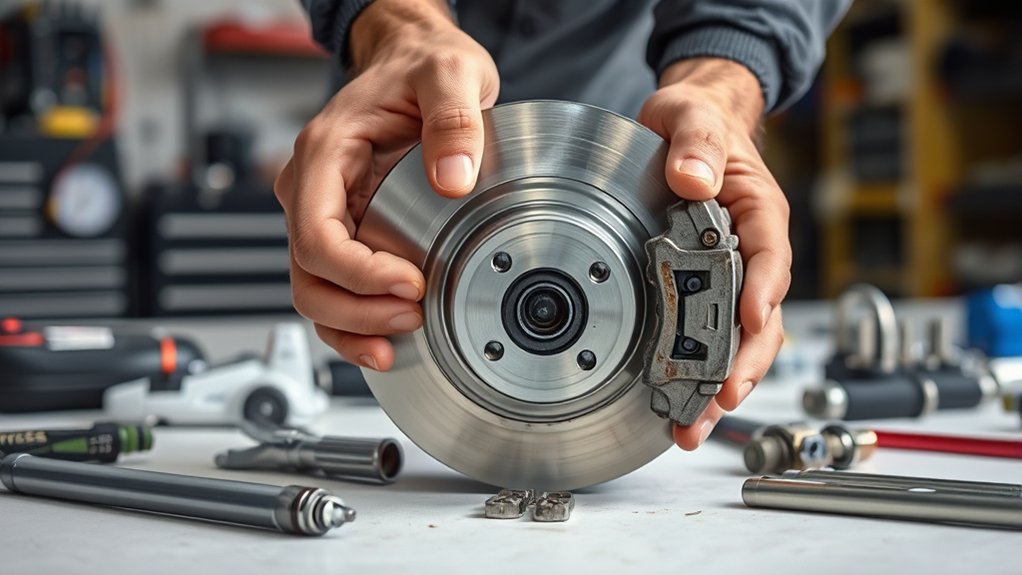
How can you quickly spot brake problems before they worsen? Start by checking your brake fluid level regularly. If it’s low or looks dirty, that’s a clear sign your brake system needs attention. Brake fluid is essential for proper brake function, so leaks or contamination can compromise safety.
Next, inspect your brake pads for wear. If the pads are thin or unevenly worn, they won’t provide the necessary friction to stop your vehicle effectively. You’ll often hear squealing or grinding sounds when pads wear down, which shouldn’t be ignored.
Also, notice if your brake pedal feels spongy or sinks closer to the floor. That could indicate air in the brake lines or fluid issues. Finally, watch for vibrations or pulling to one side when braking. These are common signs of uneven pad wear or rotor problems.
Diagnose Your Brakes Step-by-Step

Once you’ve spotted signs of brake trouble, it’s time to diagnose the issue step-by-step. Follow these four key checks to pinpoint the problem accurately:
When brake trouble appears, methodical checks help identify the issue precisely and keep your vehicle safe.
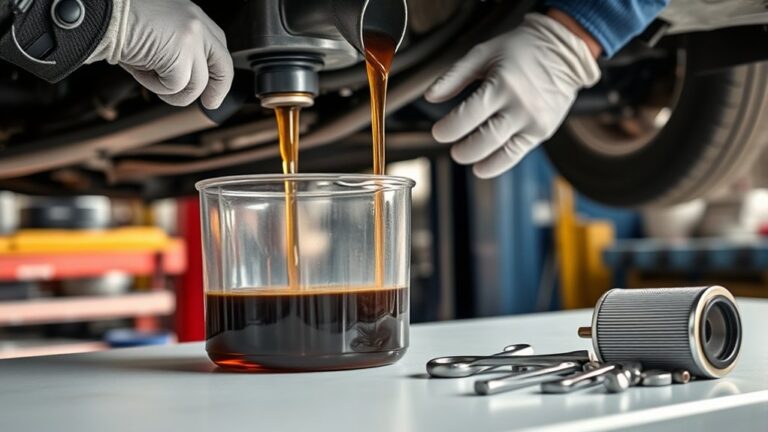
- Check Brake Fluid Level: Start by inspecting your brake fluid reservoir. Low brake fluid can cause spongy brakes or failure. Top it up if it’s low, but be sure to look for leaks.
- Listen for Noises: Squealing or grinding sounds often indicate worn brake pads or the need for rotor replacement. Pay close attention when braking.
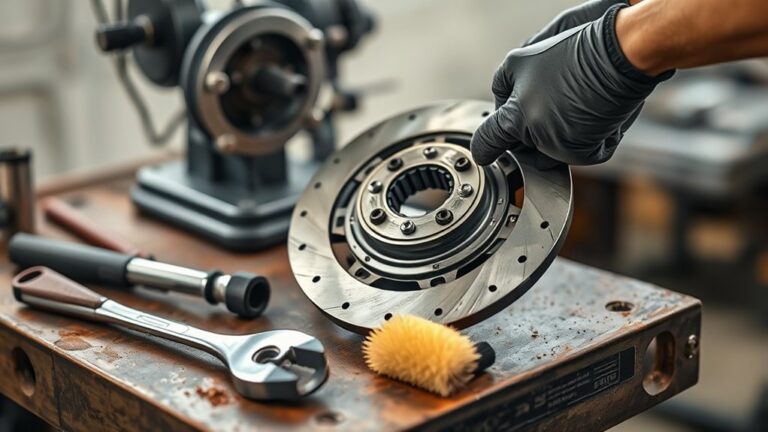
- Inspect Brake Pads and Rotors: Remove the wheels and examine the brake pads. Thin or uneven pads mean replacement is due. Check the rotors for deep grooves or warping, signaling rotor replacement.
- Test Brake Pedal Feel: Press the brake pedal. If it feels soft or sinks, air might be in the lines or the master cylinder could be failing.
Quick Fixes to Repair Your Brakes

Although brake issues can feel overwhelming, you can often fix minor problems quickly with a few simple steps. First, check your brake fluid level; low fluid can cause spongy brakes or warning lights. Top it off with the recommended fluid type, but don’t overfill.
Next, inspect your ABS sensors for dirt or damage. These sensors play a key role in preventing wheel lock during braking, so clean them gently with a soft cloth if they’re dirty. If the ABS warning light stays on, a sensor replacement might be necessary, but you can often reset the system after cleaning.
Also, listen for unusual noises or uneven brake pedal feel. Sometimes tightening loose components or adjusting brake pads can restore proper function. Always prioritize safety. If these quick fixes don’t improve your brakes, seek professional help immediately.
With these steps, you can address common brake issues swiftly and keep your vehicle safe on the road.
Frequently Asked Questions
How Often Should I Have My Brake System Inspected Professionally?
You should have your brake system inspected professionally at least once a year or every 12,000 miles. Since brake pad materials wear differently, regular checks help catch uneven wear or damage early.
A thorough brake system diagnosis guarantees all components, including pads, rotors, and fluid, are in good shape. If you notice any squeaking or reduced braking performance, don’t wait. Get it inspected right away to stay safe.
What Are the Best Brake Pads for Wet Weather Conditions?
Choosing the best brake pads for wet weather is like picking the right shoes for a rainy hike. They need solid grip and durability.
You’ll want brake pads made from ceramic or semi-metallic materials because they offer excellent wet weather traction. Ceramic pads handle moisture well and reduce noise, while semi-metallic pads provide strong stopping power even when the roads are slick.
Either choice keeps you safe and confident when rain hits.
Can Brake Fluid Type Affect Braking Performance?
Yes, brake fluid type can affect braking performance. You need to verify brake fluid compatibility with your vehicle to avoid damage or reduced efficiency.
Using the wrong type might cause corrosion or brake failure. Regular brake fluid maintenance, like flushing and replacing fluid as recommended, keeps your system responsive and safe.
How Do ABS Brakes Differ From Regular Brakes?
Regular brakes stop your car when you press the pedal, but ABS brakes prevent it from locking up during sudden stops. You’ll feel ABS sensors activating, pulsing the brakes to maintain control.
While regular brakes might skid, ABS keeps you safer by adjusting pressure automatically. If you see a brake warning light, it could mean the ABS sensors need checking.
Understanding this difference helps you stay confident and in control behind the wheel.
When Is It Necessary to Replace Brake Rotors?
You need to replace brake rotors when they’re warped, cracked, or worn below the manufacturer’s thickness specs. Brake rotor materials like cast iron can wear unevenly, affecting performance.
Sometimes, rotor resurfacing options can fix minor grooves or uneven surfaces, extending rotor life. But if the damage is too severe or the rotors are too thin, replacement guarantees safe braking and prevents further damage to your brake pads and system.
Conclusion
So, you’ve just learned how to fix your brake system in three easy steps because who doesn’t love a little DIY brake repair adventure, right? Sure, you could wait for a mechanic and miss out on all the fun, but why not play detective, doctor, and handyman all at once?
Just remember, brakes aren’t a place to cut corners unless you want your “quick fix” to turn into a fast ride to the emergency room. Stay safe and make sure you know how to fix your brake system repair properly!