
How to Choose the Best Car Brake Repair Service
Finding a reliable car brake repair service can feel overwhelming, especially when your safety is on the line. You’re not alone—many people struggle with knowing which shop to trust or which repairs are truly necessary.
Choosing the best car brake repair service is important to keep your vehicle running smoothly and ensure your peace of mind on the road.
When choosing the best car brake repair service, look for certified technicians experienced with your vehicle’s make and model.
Pick a shop that uses proper equipment like brake fluid exchangers and rotor lathes.
Check reliable customer reviews for consistent quality and transparent pricing.
Ask about warranties, parts used, and repair details before committing.
Also, find a conveniently located shop with good hours.
If you want to guarantee lasting safety and fair costs, knowing these factors will guide you further.
Key Takeaways
- Verify technician certifications like ASE and check their experience with your vehicle’s make and model for reliable brake repairs.
- Read customer reviews focusing on transparent pricing, timely service, and consistent repair quality to assess shop dependability.
- Ensure the shop uses proper tools such as brake fluid exchange machines and rotor lathes for accurate and safe brake maintenance.
- Request detailed, itemized estimates including parts, labor, and fluid replacement to compare fair pricing and avoid hidden costs.
- Watch for warning signs of poor service like low brake fluid, unusual noises, or spongy pedals after repairs to ensure safety.
How to Choose the Right Brake Repair Service for Your Safety
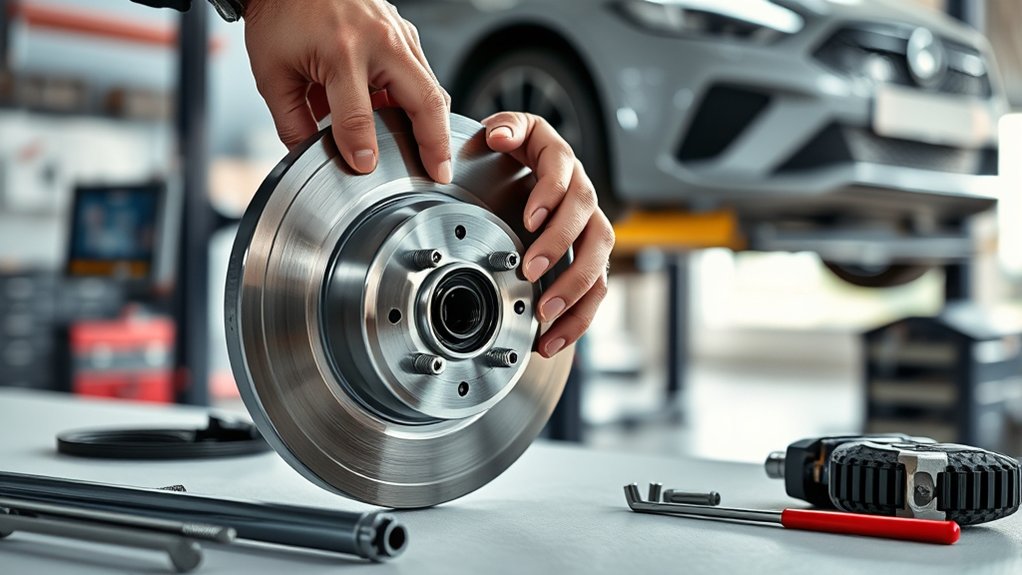
Because your safety depends on well-maintained brakes, choosing the right repair service is essential. When you pick a brake repair shop, make sure they understand the importance of quality brake pad materials. Different materials affect performance and longevity, so you want a service that uses reliable, durable options suited for your driving style.
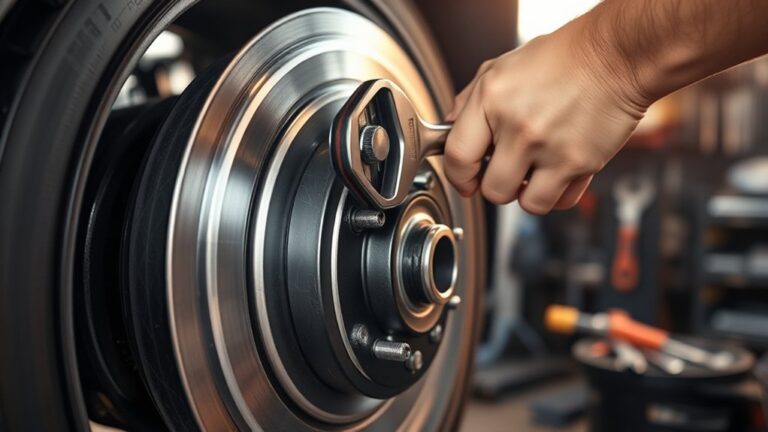
Also, ask if they offer rotor resurfacing. This process smooths out your brake rotors, ensuring even contact with pads and avoiding vibrations or noise. A shop that provides rotor resurfacing shows attention to detail and can save you money by extending rotor life.
Look for a service that explains their repair process clearly and answers your questions about brake pad materials and rotor care. When you choose a knowledgeable and thorough brake repair service, you’re investing in your car’s safety and your peace of mind every time you hit the road.
How to Verify Brake Repair Certifications and Qualifications
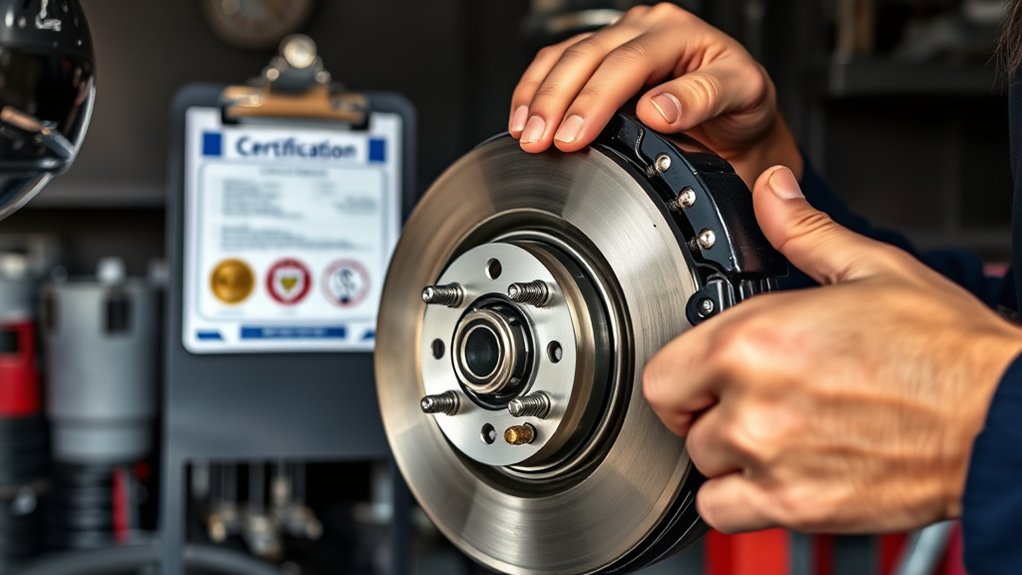
When you want to trust a brake repair service, verifying their certifications and qualifications is essential. Start by asking the service provider for proof of certification verification from recognized automotive organizations, such as ASE (Automotive Service Excellence). This ensures the technicians meet industry standards and stay updated on the latest brake repair techniques.
Next, conduct a quick qualification assessment by reviewing their training background and any specialized courses related to brake systems. Don’t hesitate to check if their certifications are current, as expired credentials might indicate outdated skills. You can often verify certifications online through official databases, making the process straightforward.
Why Experience With Your Vehicle’s Make and Model Matters
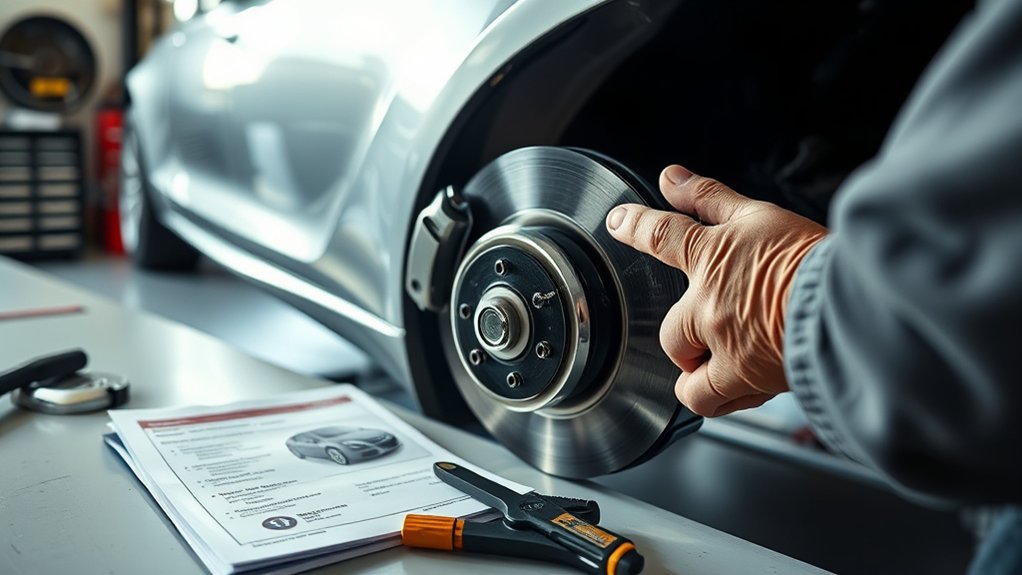
You want a brake repair service that really knows your vehicle’s make and model inside and out. When they have that kind of specialized knowledge, they can spot issues faster and avoid unnecessary repairs. That means with an accurate diagnosis, you save time and money—and stay safer on the road too.
Specialized Knowledge Benefits
Although many brake repair services can handle general maintenance, choosing a technician familiar with your vehicle’s make and model guarantees more accurate diagnostics and efficient repairs. When a mechanic understands the specific design and requirements of your car, they know exactly how to handle tasks like brake fluid replacement and rotor replacement without guesswork.
This specialized knowledge helps prevent unnecessary part replacements and assures that repairs meet your vehicle’s standards. You’ll save time and money by avoiding repeat visits caused by improper service.
Plus, technicians experienced with your model can spot potential issues early, keeping your brakes reliable and safe. Trusting a skilled expert means your car receives the precise care it needs, giving you peace of mind every time you hit the road.
Accurate Diagnosis Importance
Technicians who know your vehicle’s make and model don’t just save you money. They also pinpoint problems faster and more accurately. When it comes to brake repairs, this expertise helps avoid unnecessary replacements and ensures the right solution.
For instance, they understand when rotor resurfacing is enough instead of a full replacement. They also know the specific brake fluid requirements for your car, preventing damage from incompatible types.
Choosing a service with experience in your vehicle means you benefit from faster, more precise diagnosis of brake issues. You also get proper handling of brake fluid to maintain system integrity and the correct application of rotor resurfacing techniques for longevity.
This specialized knowledge prevents costly mistakes and keeps your brakes performing safely and efficiently.
What to Look For in Customer Reviews to Find Reliable Brake Repair
When you’re checking out customer reviews, look for consistent praise that points to reliable service. It’s a good sign when multiple people mention the same positive experience. On the flip side, keep an eye out for red flags—like repeated complaints or problems that never seem to get fixed. Also, try to focus on reviews that go into detail. Those that explain exactly what went right or what went wrong with the brake repair can give you a clearer picture of what to expect.
Identify Consistent Praise
Since brake repair is essential for your safety, you want to make sure the service you choose consistently earns high marks from customers. When reading reviews, focus on repeated positive comments about the quality of work, especially on critical tasks like brake fluid replacement and rotor resurfacing. Consistent praise signals reliability.
Look for reviews that highlight:
- Accurate diagnosis and effective brake fluid service
- Skillful rotor resurfacing restoring smooth braking
- Transparent pricing and timely service completion
These points suggest the shop knows its craft and values customer trust. When multiple customers mention these details, it’s a strong sign the brake repair service delivers dependable results. By spotting consistent praise, you’ll confidently pick a service that keeps your brakes and you safe.
Spot Red Flags
Although positive reviews are important, spotting red flags in customer feedback can save you from costly mistakes and unsafe repairs. Watch for complaints about incomplete work, like failing to replace or properly check brake fluid levels, which can affect braking performance.
Be cautious if multiple customers mention poor communication or unexpected charges for services such as rotor resurfacing. Negative remarks about rushed jobs or technicians overlooking safety checks should raise concerns.
Also, beware of reviews highlighting recurring issues after repairs, indicating subpar workmanship. These warning signs suggest the shop might cut corners or lack expertise. By paying attention to these red flags, you’ll avoid unreliable brake repair services and ensure your vehicle’s braking system stays safe and effective.
Evaluate Detailed Experiences
To find a reliable brake repair service, you need to dig beyond general ratings and focus on detailed customer experiences. Look for reviews that mention clear communication about cost estimation and how accurately the service described the vehicle maintenance needed. Pay attention to whether customers felt informed throughout the process and if the repair quality matched expectations.
When evaluating reviews, focus on how transparent the shop was about costs before starting work, specific mentions of professional, thorough vehicle maintenance, and consistency between promised and actual repair timelines and results.
These detailed insights reveal the shop’s reliability and help you avoid surprises. Don’t settle for vague praise. Choose a service praised for honesty and quality in brake repair.
Questions You Should Ask Before Committing to Brake Repairs
Before committing to brake repairs, you’ll want to ask key questions that clarify the scope, cost, and quality of the service. Start by asking whether the repair includes inspecting and replacing brake pads and brake fluid. These components are essential for your car’s stopping power and safety.
Next, find out if the shop uses OEM parts or aftermarket alternatives and how that affects your warranty. Ask how long the repair will take and if there are any guarantees on their work.
Don’t forget to inquire about the technician’s experience specifically with brake systems. You should also ask if they perform a thorough brake fluid flush since old fluid can compromise braking efficiency.
Finally, clarify any additional fees that might arise during the process. By asking these focused questions upfront, you’ll avoid surprises and guarantee you get reliable, quality brake repairs that keep you safe on the road.
How to Get Fair Quotes for Brake Repairs
Asking the right questions sets you up to understand what you’re paying for regarding brake repairs. To get fair quotes, make sure you request detailed estimates from multiple shops so you can compare costs accurately. Pay attention to how they price brake pads, brake fluid replacement, and labor separately. Transparency helps you avoid hidden fees.
Keep these points in mind when evaluating quotes:
- Confirm if the brake pads are OEM or aftermarket and their warranty coverage.
- Check whether the brake fluid replacement is included or charged extra.
- Understand labor charges and how they calculate time for repairs.
Don’t hesitate to ask for itemized quotes and clarify anything unclear. This approach ensures you get quality service at a fair price, avoiding overcharges. When you’re informed, you can confidently choose a brake repair service that fits both your budget and needs.
Why Warranties and Service Guarantees Matter for Brake Repairs
Although you might focus on price and quality when choosing a brake repair service, warranties and service guarantees play a crucial role in protecting your investment. Warranty coverage ensures that if any parts or workmanship fail within a specified period, the shop will fix the issue at no extra cost. This gives you peace of mind knowing you won’t pay twice for the same repair.
Service guarantees further show a shop’s confidence in their work. They promise reliable, lasting repairs and often include follow-up inspections or adjustments if needed. By choosing a service with strong warranties and guarantees, you reduce the risk of poor workmanship and hidden costs.
Always ask about the details of warranty coverage and service guarantees before committing. Understanding these terms helps you avoid surprises and ensures your brakes remain safe and functional long after the initial repair. Prioritize shops that stand behind their work. Your safety depends on it.
How to Tell If a Brake Shop Has the Right Equipment
When you want reliable brake repairs, the right equipment makes all the difference in quality and safety. You should look for a brake shop that uses advanced tools to handle every aspect of the service, from brake fluid replacement to rotor inspection. Proper equipment guarantees the job is done accurately and prevents future issues.
Here’s what to check for when evaluating their equipment:
- Brake fluid exchange machines that completely flush old fluid, avoiding contamination.
- Rotor inspection tools, like micrometers or runout gauges, to measure wear and warping precisely.
- Brake lathe machines for resurfacing rotors, ensuring smooth contact with brake pads.
If a shop lacks these tools, they might cut corners or miss critical problems. Don’t hesitate to ask about their equipment. Qualified technicians will be transparent and confident about the tools they use to keep your brakes safe and efficient.
How Location and Convenience Influence Your Brake Repair Choice
When you’re picking a brake repair service, it’s a good idea to think about how close it is to your home and how easy it is to get there. It really helps if the shop has convenient operating hours. Plus, having emergency or after-hours service available can save you a lot of stress. These little things can make a big difference when you need quick and reliable brake repairs.
Proximity to Your Home
Because your time is valuable, choosing a brake repair service close to your home can make a big difference. When a shop is nearby, you’ll save time on travel and reduce stress, especially if your brakes need urgent attention.
Plus, local shops often understand the importance of parking safety, ensuring your vehicle is secure while they work. Being close also means you can easily discuss brake fluid types and other specifics with technicians without hassle.
Consider these points when deciding:
- Convenient location reduces downtime and simplifies drop-offs.
- Nearby shops often have better knowledge of local driving conditions affecting brake wear.
- Quick access allows you to monitor repairs or address questions promptly.
Choosing proximity helps keep your brake repair experience smooth and efficient.
Accessibility and Operating Hours
Although a shop’s location is important, its accessibility and operating hours often have an even greater impact on your brake repair experience. You want a place where parking safety is a priority, so you don’t have to worry about your car while waiting.
Easy access to the entrance and clear signage can save you time and stress. Also, consider their hours. If they open early or stay open late, you can fit repairs into your busy schedule without hassle.
When you choose a brake repair service, check if they handle various brake fluid types, as some cars require specific fluids that affect performance. Balancing convenience with quality guarantees you get reliable service without disrupting your day or compromising your vehicle’s safety.
Emergency and After-Hours Service
If you find yourself facing brake issues outside regular hours, having access to emergency and after-hours service can save you from costly delays and unsafe situations. When your brake fluid leaks or your rotors need resurfacing, you can’t afford to wait until morning.
Choosing a repair service near you that offers flexible hours guarantees quick, reliable help when you need it most. Consider these factors when selecting a service:
- Availability of 24/7 emergency brake repairs
- Proximity to your home or workplace for quick access
- Ability to handle urgent tasks like brake fluid replacement and rotor resurfacing promptly
This convenience not only protects your safety but also minimizes downtime, making emergency and after-hours service an essential part of your brake repair choice.
How to Spot Signs of Poor Brake Repair Service
When your brakes don’t respond as they should after a repair, you need to pay close attention. Poor brake repair service often shows up in subtle but dangerous ways. If your brake fluid feels low or you notice leaks shortly after the repair, that’s a red flag. A properly done job should ensure fluid levels are correct and free from contamination.
Another warning sign is a parking brake that doesn’t hold your vehicle securely on an incline. If it slips or feels loose, the repair might have been rushed or incomplete. Also, listen for unusual noises like squealing or grinding when you apply the brakes. These often indicate worn parts weren’t replaced properly.
Finally, if the brake pedal feels spongy or sinks toward the floor, the system may have air or leaks introduced during service. Don’t ignore these signs. They can compromise your safety and mean you need to revisit your repair provider.
Frequently Asked Questions
How Often Should Brake Pads Be Replaced?
You should replace your brake pads every 30,000 to 70,000 miles depending on the brake pad lifespan and materials used. Organic pads wear faster, so they need more frequent changes, while ceramic or semi-metallic pads last longer.
Pay attention to squeaking or reduced braking performance because they’re signs your brake pads are worn. Regularly checking your brake pad thickness helps you avoid damage and keep your brakes working safely and effectively.
What Are the Common Symptoms of Brake Failure?
You’ll notice common symptoms of brake failure like brake noise, such as a squealing or grinding sound when you press the pedal. Your brake pedal might feel soft or spongy, which is often caused by low or leaking brake fluid.
If your car pulls to one side or the brakes respond sluggishly, don’t ignore it. These signs mean your brake system needs immediate attention to keep you safe on the road.
Can I Drive Safely With a Squeaking Brake?
You shouldn’t drive long with a squeaking brake because it often signals worn brake pads or debris causing friction. Squeaking causes include brake pad lifespan nearing its end or glazing from overheating.
While a brief squeak might not be dangerous, ignoring it risks reduced braking efficiency and damage to rotors. Get your brakes checked promptly to avoid costly repairs and guarantee your safety on the road.
How Long Does a Typical Brake Repair Take?
A typical brake repair usually takes about 1 to 3 hours, depending on the issue. If you need a rotor replacement or brake fluid flush, it might take a bit longer.
Simple repairs like brake pad replacement often finish quicker. Keep in mind that thorough inspections and testing add time but guarantee safety.
Always ask your mechanic for an estimated timeframe before they start, so you know what to expect.
Are Brake Repairs Covered by Car Insurance?
Brake repairs usually aren’t covered by your insurance because they’re considered maintenance, not damage from an accident. You’ll likely have to pay repair costs out of pocket unless your policy includes specific coverage for mechanical issues.
It’s smart to check your insurance coverage details or talk to your agent to see if any part of brake repair costs might be covered under special circumstances. Otherwise, plan on handling repairs yourself.
Conclusion
Choosing the best brake repair service isn’t just about convenience; it’s about your safety on the road. Would you trust your brakes to just anyone?
By checking certifications, reading reviews, asking the right questions, and ensuring warranties, you protect yourself from poor repairs. Experience with your vehicle and the right equipment make all the difference.
So, take the time now—your safety deserves nothing less than the best brake care. Choosing the best car brake repair service is the key to keeping your vehicle safe and reliable.