
7 Essential Tips for Automotive Engine Repair
If you’ve ever dealt with unexpected engine trouble, you know how frustrating and costly it can be. You’re not alone—many people struggle to keep their automotive engines running smoothly without constant breakdowns. The good news is, with the right approach and knowledge, you can catch problems early and keep your engine in great shape for longer.
You’ll want to spot early engine issues like strange noises or low oil levels before they worsen. Use proper tools, wear safety gear, and keep your engine clean to avoid damage. Diagnose problems step-by-step with diagnostic tools to target fixes accurately. 7 Essential Tips for Automotive Engine Repair.
Always choose quality parts for durability and tune your engine for better performance and emissions compliance. Know when to call a mechanic to prevent costly repairs. Keep going to uncover tips that will keep your engine running smoothly longer.
Key Takeaways
- Recognize early engine issues like unusual noises and warning lights to prevent severe damage.
- Use proper tools and safety gear, and maintain cleanliness during repairs to avoid injury and engine damage.
- Diagnose problems systematically with visual checks and diagnostic tools to accurately identify engine faults.
- Optimize engine performance by tuning ignition timing and fuel mixture while ensuring emissions compliance.
- Choose high-quality, compatible replacement parts and perform regular maintenance for engine longevity.
Identify Early Signs of Engine Trouble
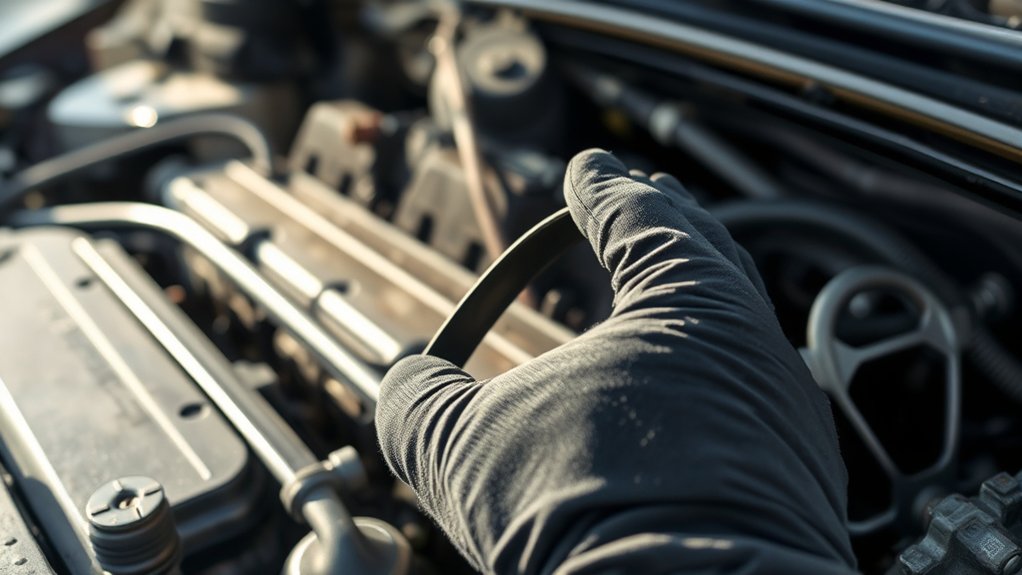
Although engine problems can seem sudden, you can often spot early signs before they worsen. Pay close attention to unusual engine noise, like knocking or ticking sounds, which often indicate internal issues. These noises usually get louder or more frequent as the problem progresses.
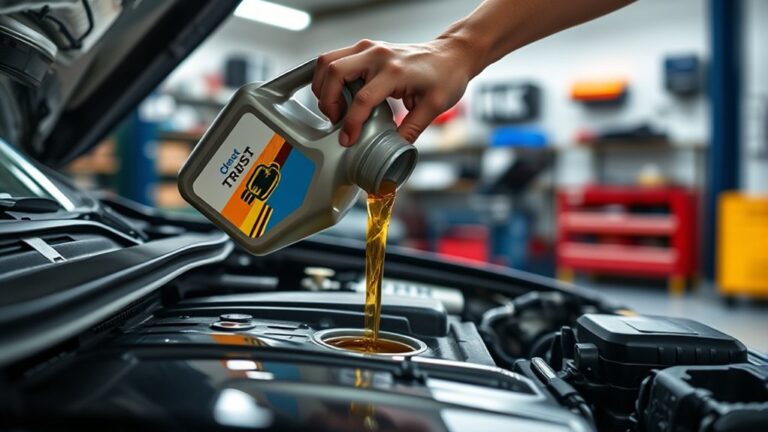
Also, monitor your vehicle’s oil performance regularly. If the oil looks dirty or has a burnt smell, it might not be lubricating the engine properly, leading to increased wear and tear. Low oil levels or frequent oil changes can signal leaks or internal engine damage.
Catching these signs early gives you a chance to address the problem before it escalates into costly repairs. By staying alert to changes in engine noise and oil performance, you protect your engine’s longevity and maintain smoother operation. Don’t ignore these warning signs; acting quickly can save you time and money down the road.
Use the Right Tools for Engine Repair
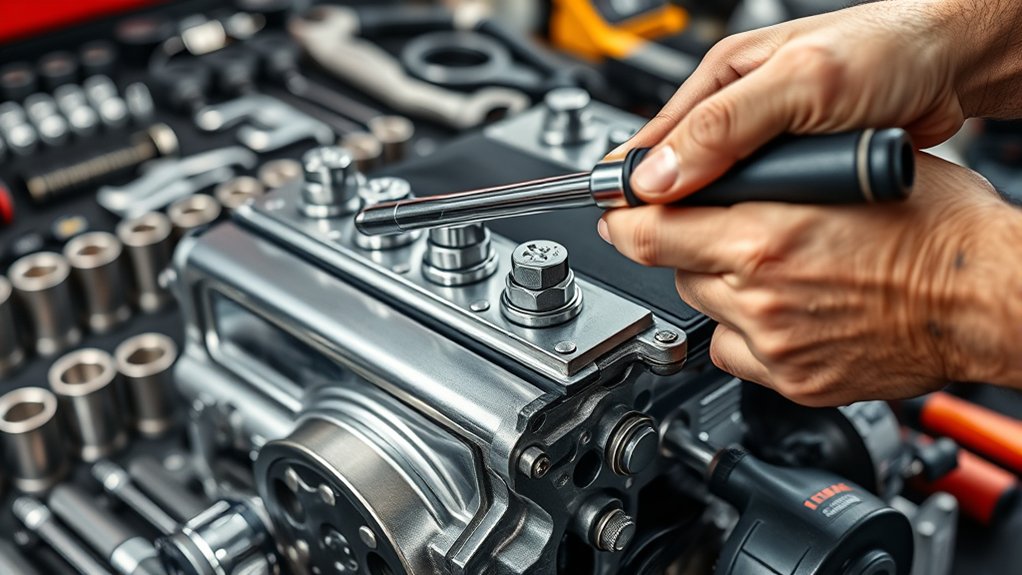
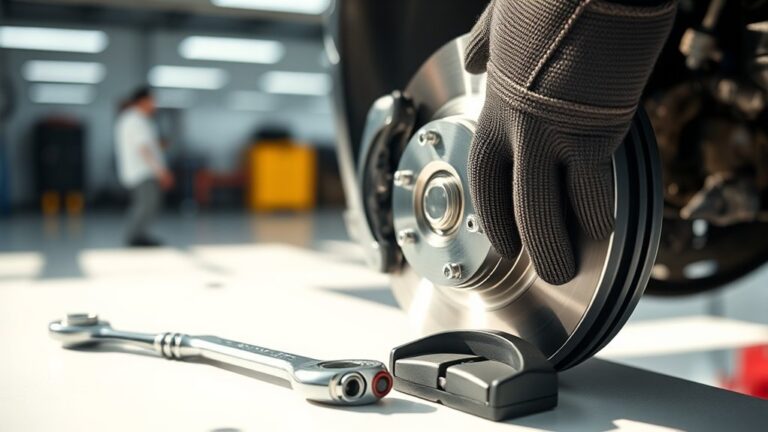
Noticing early signs of engine trouble is only the first step; fixing those issues properly requires having the right tools on hand. Using the correct tools not only makes the job easier but also helps prevent further damage to your engine. Make certain you have essentials like socket wrenches, torque wrenches, screwdrivers, and pliers specific to your vehicle’s needs.
Regular tool maintenance is essential. Keep your tools clean, sharp, and well-lubricated to ensure precise work. Damaged or worn-out tools can slip or break, potentially causing injury or damaging engine parts. Always follow safety precautions: wear gloves and eye protection, work in a well-ventilated area, and disconnect the battery before starting any repairs. By investing in the right tools and maintaining them properly, you’ll save time, reduce frustration, and protect both yourself and your engine during repairs.
Diagnose Engine Problems Step-by-Step
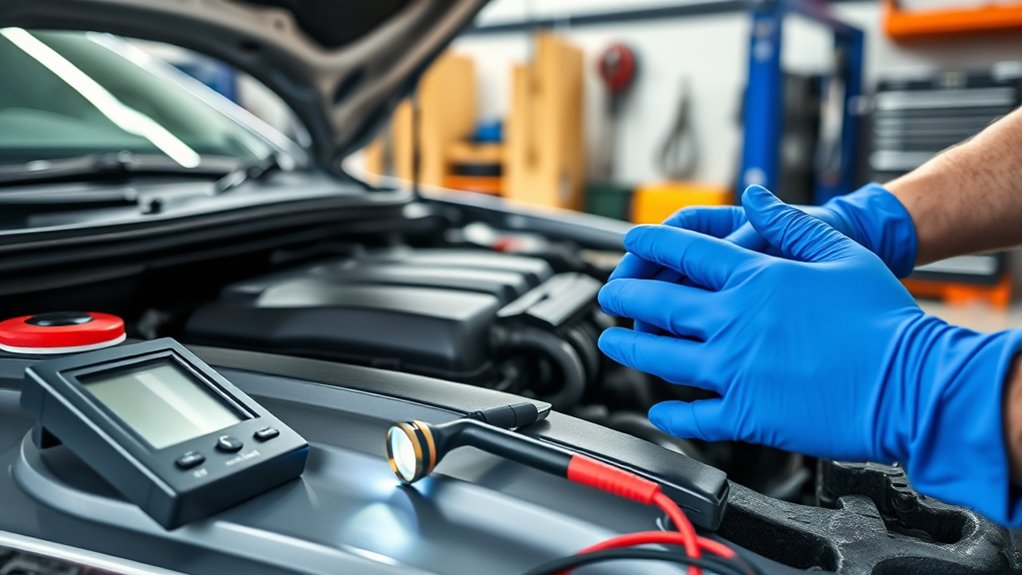
You’ll start by spotting common engine symptoms, like unusual noises or performance drops. Next, you’ll use diagnostic tools to pinpoint the exact issue. By following these steps, you can tackle problems efficiently and avoid unnecessary repairs.
Identify Common Symptoms
How can you quickly pinpoint what’s wrong with your engine? Start by paying close attention to common symptoms. Unusual engine noise, such as knocking or grinding, often signals internal issues needing immediate attention.
Likewise, check for oil leaks under your vehicle or around the engine block. Persistent leaks can lead to severe damage if ignored. You should also watch for other signs like smoke from the exhaust, rough idling, or a drop in performance.
By identifying these symptoms early, you can narrow down potential problems and decide your next steps. Remember, spotting these warning signs promptly helps prevent costly repairs and keeps your engine running smoothly.
Stay observant, and you’ll handle engine troubles more effectively.
Use Diagnostic Tools
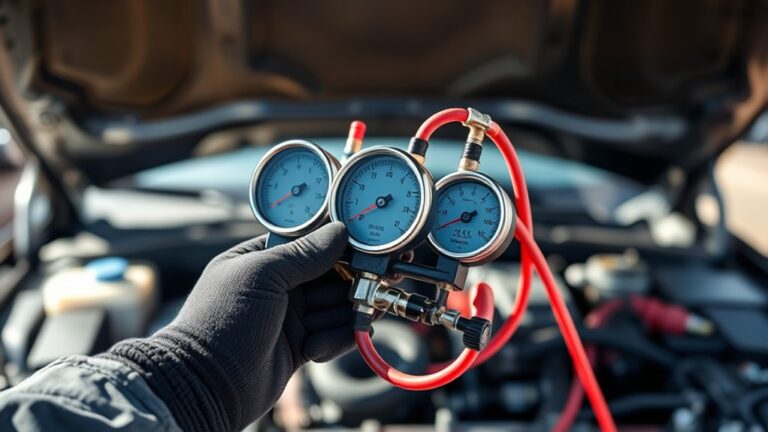
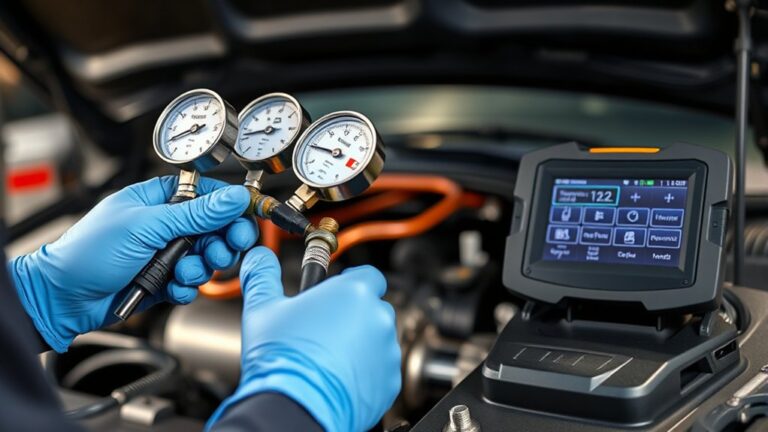
Although identifying symptoms gives you a strong starting point, using diagnostic tools lets you pinpoint engine problems with greater accuracy. A scan tool or code reader connects to your vehicle’s computer system, revealing error codes that highlight specific issues affecting fuel efficiency or emission control.
By interpreting these codes, you can target repairs more effectively, avoiding guesswork. These tools also monitor real-time data like oxygen sensor readings and fuel trim levels, helping you track performance and detect hidden problems.
Using diagnostic tools regularly keeps your engine running smoothly, reduces emissions, and optimizes fuel consumption. Don’t skip this step; embrace technology to save time and money while ensuring your vehicle meets environmental standards and runs at its best.
Choose Quality Replacement Parts for Longevity
When you’re replacing engine parts, it’s a good idea to go for materials that are built to last. This way, you can be sure they’ll hold up over time. Also, double-check that the parts you pick are a perfect fit for your engine. That helps prevent any problems later on. And don’t forget—choosing trusted brands can really give you peace of mind and often means better performance too.
Material Durability Matters
Since your engine’s performance depends heavily on the parts inside it, choosing quality replacement components is essential for long-term durability. Focus on material selection because not all materials withstand heat, pressure, and wear similarly.
High-grade metals or composites that have undergone rigorous durability testing will last longer and reduce the risk of premature failure. Don’t settle for cheaper parts made from inferior materials. They might save money upfront but cost you more in repairs later.
Always check for certifications or test results that confirm the part’s resilience under real-world conditions. By prioritizing materials proven through durability testing, you guarantee your engine runs smoothly and reliably, extending its life and saving you time and money in the long run.
Compatibility With Engine
Choosing durable materials is just one part of ensuring your engine stays reliable. You also need to make sure replacement parts perfectly match your engine’s specifications. Compatibility testing helps confirm that components work seamlessly with your engine’s design, preventing premature wear or failure.
When selecting parts, consider the manufacturer’s compatibility guidelines, how the material interacts with engine oil and heat, proper fit for seals and gaskets, and matching performance standards to original components.
Using parts that aren’t compatible with your engine oil type or operating conditions can cause damage over time. Always verify compatibility to maintain engine efficiency and extend longevity.
Trusted Brand Selection
Although quality materials and compatibility are essential, selecting replacement parts from trusted brands guarantees your engine performs reliably over time. When you choose parts from reputable brands, you’re investing in components tested for durability and precision, reducing the risk of premature failure.
Brand reputation matters because it reflects consistent quality and customer satisfaction. Trusted brands typically offer solid warranty coverage, giving you peace of mind and protection against defects.
Don’t be tempted by cheaper, unknown alternatives. They may save you money upfront but could cost more in repairs later. By prioritizing brand reputation and warranty coverage, you ensure your engine repair is a long-term solution, keeping your vehicle running smoothly and minimizing unexpected breakdowns.
Choose wisely to protect your investment.
Keep Your Engine Clean to Avoid Damage
When you keep your engine clean, you reduce the risk of dirt and grime causing damage to essential components. Maintaining engine bay cleanliness helps prevent overheating, corrosion, and electrical issues. Make it a habit to regularly inspect and clean your engine to extend its life and improve performance.
Focus on oil residue removal since leftover oil can attract dust and lead to sludge buildup, which harms engine parts. Use appropriate degreasers and avoid high-pressure water directly on electrical connections.
Here are some quick tips to keep your engine clean:
- Wipe down surfaces with a microfiber cloth to remove dust and grime.
- Use a gentle engine cleaner for stubborn dirt and oil residues.
- Cover sensitive parts like the battery and air intake before cleaning.
- Inspect hoses and belts for wear during cleaning sessions.
Test and Tune Your Engine After Repair
After completing your engine repairs, you’ll want to test and tune the engine to guarantee it runs smoothly and efficiently. Start by running the engine and listening for any unusual sounds or vibrations.
Check for leaks and monitor the engine temperature to assure it stays within the normal range. Next, focus on tuning the engine’s settings, such as ignition timing and fuel mixture, to optimize performance.
Inspect for leaks and keep engine temperature stable before tuning ignition timing and fuel mixture for peak performance.
Proper tuning improves fuel efficiency, helping you save money at the pump and reducing harmful emissions. Use diagnostic tools to measure emissions and confirm your engine meets local emission standards.
Adjustments might be necessary to pass these tests and keep your vehicle environmentally compliant. Finally, take the car for a short drive, paying attention to acceleration, idling, and overall responsiveness.
This hands-on check helps you catch any remaining issues early. By thoroughly testing and tuning after repairs, you extend your engine’s lifespan and maintain its reliability.
When to Call a Professional Mechanic
If you notice persistent engine problems or lack the right tools, it’s best to call a professional mechanic. Some issues require expert knowledge and equipment that go beyond basic repairs. For example, if your engine oil level drops rapidly or you detect leaks, a mechanic can diagnose and fix the root cause properly.
Likewise, if your fuel efficiency suddenly decreases, it might signal a deeper engine problem needing professional attention.
Here are signs you should call a mechanic:
- Warning lights stay on despite your efforts
- Strange noises or vibrations from the engine
- Difficulty starting the vehicle or frequent stalling
- Poor fuel efficiency even after routine maintenance
Frequently Asked Questions
How Often Should I Change My Engine Oil?
You should change your engine oil every 3,000 to 7,500 miles, depending on your car’s make and the engine oil types you use. Synthetic oils usually allow longer oil change intervals, while conventional oils need more frequent changes.
Check your owner’s manual for specific recommendations. Regular oil changes keep your engine running smoothly and prevent damage, so don’t skip them. Staying on top of oil change intervals saves you money and hassle.
What Type of Fuel Is Best for My Engine?
Choosing the right fuel is like picking the perfect dance partner. It keeps your engine moving smoothly. You’ll want to use the fuel type your manufacturer recommends, usually regular unleaded.
Watch out for ethanol blends; they’re common but can sometimes harm older engines. Fuel additives can help clean your engine and improve performance, especially if you use ethanol blends.
Always check your owner’s manual to avoid any missteps with fuel choices.
Can Engine Repairs Improve Fuel Efficiency?
Yes, engine repairs can improve fuel consumption by addressing issues like worn-out spark plugs, clogged filters, or faulty sensors. When you optimize your engine, it runs more efficiently, which reduces fuel waste.
Regular maintenance and timely repairs ensure your engine delivers peak performance, saving you money at the pump. So, by focusing on engine optimization, you’ll not only extend your engine’s life but also enjoy better fuel economy on every drive.
How Do I Prevent Engine Overheating?
Of course, you can just ignore your coolant system and hope for the best. Overheating will definitely surprise you. Instead, you should regularly check and flush the coolant to keep it fresh.
Don’t forget radiator maintenance; a clogged or leaking radiator can ruin your engine’s temperature balance. Keep fans and hoses in good shape, and you’ll prevent overheating before it becomes a costly disaster. Trust me, your engine will thank you.
What Are Common Causes of Engine Misfires?
Common causes of engine misfires include spark plug issues and fuel injector problems. If your spark plugs are worn or fouled, they won’t ignite the fuel-air mixture properly, causing misfires.
Likewise, clogged or malfunctioning fuel injectors can disrupt fuel delivery, leading to irregular combustion. You should regularly check and replace spark plugs and clean or service fuel injectors to keep your engine running smoothly and prevent misfires from damaging other components.
Conclusion
You might think engine repair is as simple as tightening a few bolts, but ignoring early signs or using the wrong tools can turn your car into an expensive paperweight. Sure, you could skip quality parts and skip cleaning, then wonder why it stalls on your way to work.
Or, you could follow these tips and actually enjoy a smoothly running engine. Imagine that, your car cooperating instead of plotting your next breakdown! By paying attention to these essential tips for automotive engine repair, you’ll keep your vehicle reliable and running strong.