5 Essential Auto Tech Repair Tips You Need
If you’ve ever felt overwhelmed by car maintenance or worried about unexpected breakdowns, you’re not alone. Many people struggle to keep their vehicles in top shape without spending a fortune at the mechanic. That’s why knowing some essential auto tech repair tips can make all the difference in keeping your car running smoothly and saving you time and money.
You should regularly check your car’s fluids like oil, coolant, and brake fluid to keep everything running smoothly and avoid breakdowns.
Equip yourself with basic, quality tools for simple repairs at home, and always work safely.
Replace worn brake pads and rotors properly to maintain safety.
Learn to spot engine and electrical issues early to prevent costly damage.
Knowing when to call a professional is key. There’s a lot more helpful advice to improve your auto repair skills.
Key Takeaways
- Regularly check and maintain engine oil, coolant, brake, transmission, and power steering fluid levels. This helps ensure your vehicle stays reliable and lasts longer.
- Equip yourself with quality basic tools like socket sets, screwdrivers, and tire pressure gauges. These make home repairs safer and more effective.
- Replace worn brake pads and rotors carefully. Use the right tools and follow safety measures to keep your brakes performing well.
- Watch for engine misfires and electrical issues early by noticing symptoms like rough idling, flickering lights, or power loss. Catching these signs early can save you a lot of trouble.
- Know when it’s time to get professional help. If you have persistent warning lights, frequent stalling, electrical shorts, or unusual engine noises, it’s best to consult a mechanic.
Check and Maintain Car Fluid Levels Regularly
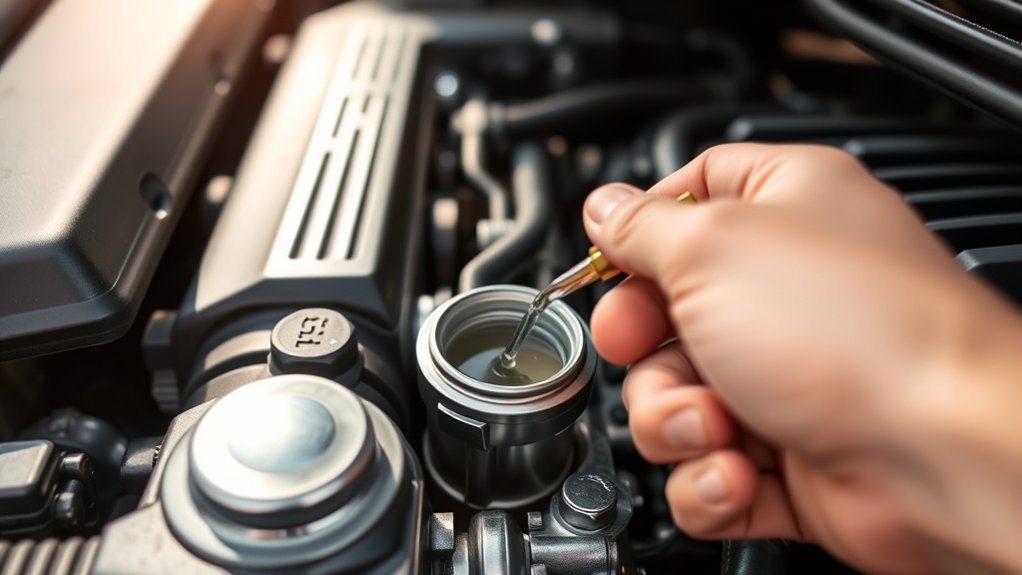
Although it might seem simple, checking and maintaining your car’s fluid levels regularly is essential to keep your vehicle running smoothly. You should make fluid level checks a consistent part of your maintenance routines to avoid unexpected breakdowns.
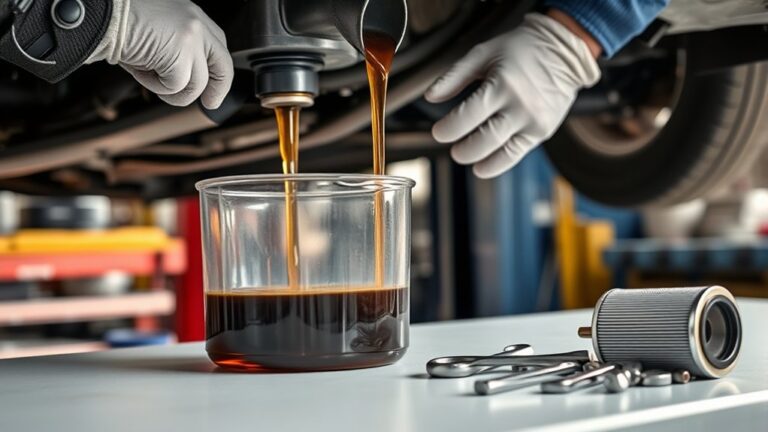
Start by inspecting the engine oil, coolant, brake fluid, transmission fluid, and power steering fluid. Each one plays a critical role in your car’s performance and safety.
Begin by checking engine oil, coolant, brake fluid, transmission fluid, and power steering fluid for optimal performance and safety.
Use the dipstick or reservoir markings to confirm levels are within the recommended range. If you notice any fluid is low or looks dirty, top it off or schedule a replacement.
Keeping these fluids at proper levels helps prevent engine overheating, brake failure, and transmission issues. By incorporating fluid level checks into your regular maintenance routines, you’ll extend your vehicle’s lifespan and improve reliability.
Don’t skip this straightforward yet essential task. It’s one of the easiest ways to protect your investment and enjoy hassle-free driving.
Use Basic Tools for Easy Repairs at Home
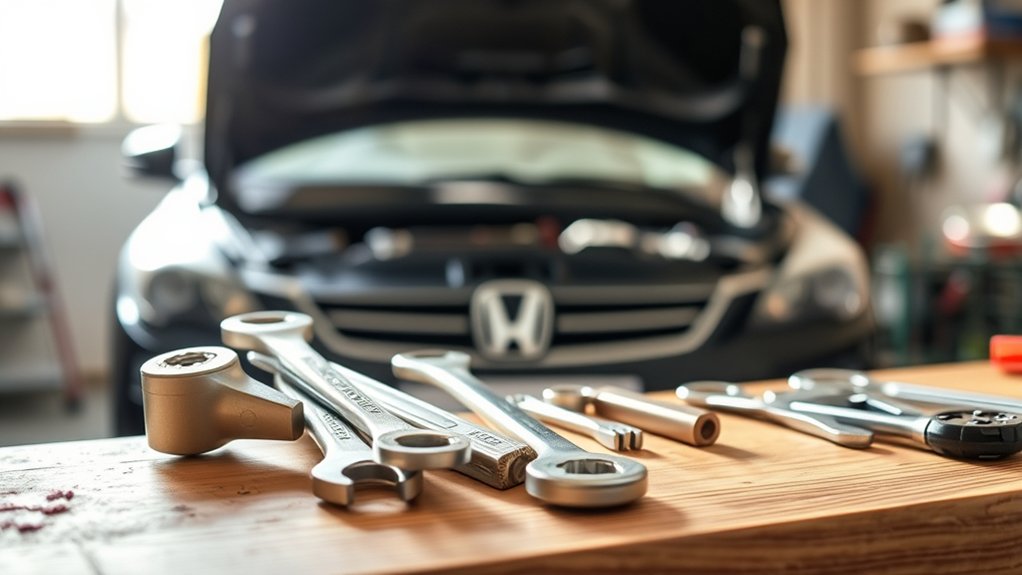
When you have the right basic tools on hand, you can tackle many common car repairs yourself without needing professional help. Start by focusing on car tool selection. Invest in essentials like a socket set, screwdrivers, pliers, a wrench set, and a tire pressure gauge. These tools cover a wide range of simple repairs and maintenance tasks. Prioritize quality over quantity to ensure your tools last and perform well.
Always keep DIY repair safety in mind. Wear gloves and eye protection, work in a well-ventilated area, and never rush a job. Before starting, make sure your vehicle is securely parked and turned off to avoid accidents. Using the right tools correctly reduces the risk of injury and damage to your car.
With basic tools and safe practices, you’ll save money and gain confidence handling easy repairs at home.
Replace Worn-Out Brake Pads and Rotors Safely in Your Car
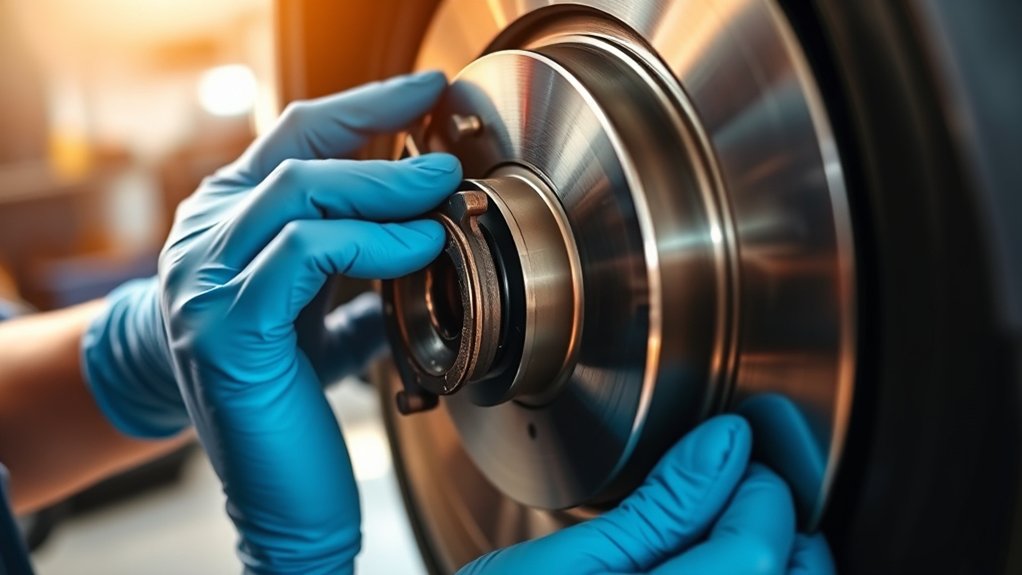
Having the right basic tools and following safety measures sets a solid foundation for more involved repairs like replacing worn-out brake pads and rotors. When you tackle this task, first lift your car securely and remove the wheel.
Inspect the brake pad materials: organic, semi-metallic, or ceramic. This will help you choose the best replacement for your driving style. Check your rotors too. If they’re uneven or scored, consider rotor resurfacing instead of replacement to save money.
Here’s a quick comparison to guide you:
| Step | Key Points |
|---|---|
| Tool Preparation | Jack, lug wrench, C-clamp |
| Brake Pad Materials | Organic, Semi-metallic, Ceramic |
| Rotor Condition | Check for warping or grooves |
| Resurfacing vs Replace | Resurface if thickness allows |
| Safety Tips | Wear gloves, use jack stands |
How to Spot Common Engine and Electrical Problems
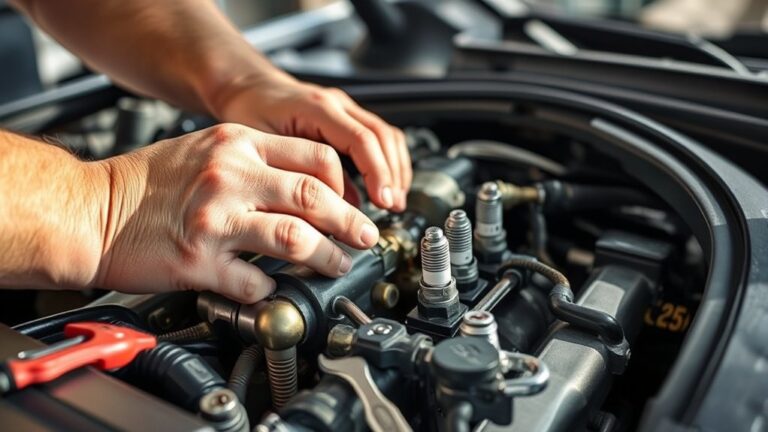
If your car starts acting up, you’ll want to quickly identify engine or electrical issues before they worsen. Engine misfires often show up as rough idling, hesitation during acceleration, or a noticeable drop in power. You might also hear unusual noises or see the check engine light flicker.
Quickly spot engine misfires by rough idling, hesitation, power loss, strange noises, or the check engine light flickering.
These symptoms suggest that one or more cylinders aren’t firing correctly, which can lead to bigger problems if ignored.
Electrical surges, on the other hand, can cause flickering dashboard lights, erratic behavior of electronic components, or sudden power loss. You might notice your radio cutting out or the headlights dimming when you accelerate.
These surges usually point to issues with the battery, alternator, or wiring.
Recognize When to Call a Professional
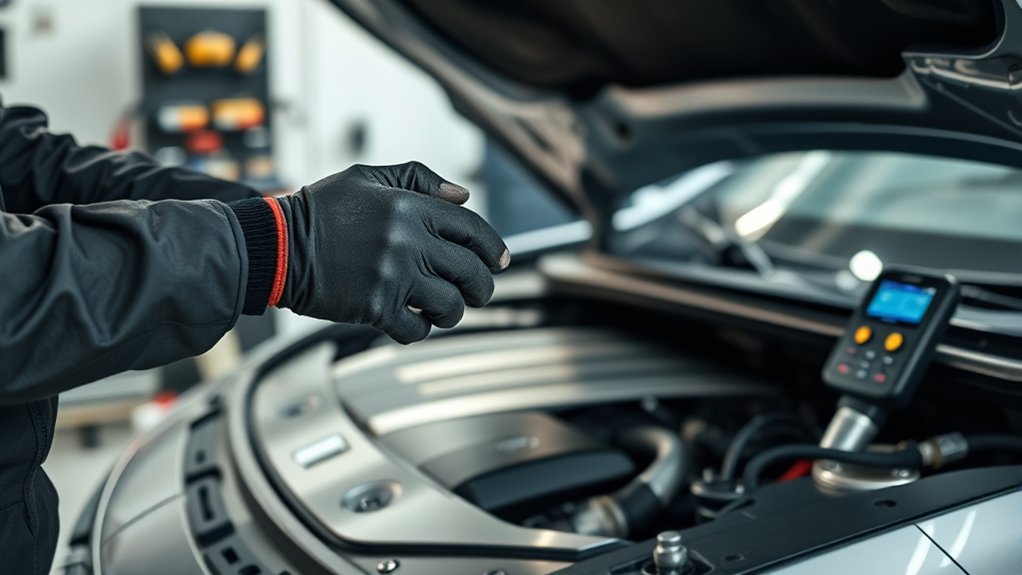
Engine and electrical problems can sometimes be fixed with basic troubleshooting, but certain signs mean it’s time to bring in a professional. When you face complex issues beyond your DIY safety comfort zone or lack advanced diagnostic techniques, calling an expert is the smartest move. Ignoring warning signs can worsen damage or create hazards.
Here’s when you should stop and seek professional help:
| Signs to Watch For | Why You Should Call a Pro |
|---|---|
| Persistent warning lights | May indicate serious, hidden issues |
| Frequent stalling or no start | Requires advanced diagnostic tools |
| Electrical shorts or sparks | Risk of fire, unsafe to handle alone |
| Strange noises from engine | Could signal severe mechanical problems |
Trust your instincts. If the repair feels risky or unclear, prioritize your safety and bring in a professional. Mastering basic diagnostic techniques is great, but knowing when to cease troubleshooting ensures you don’t compromise your car or well-being.
Frequently Asked Questions
How Often Should I Rotate My Tires for Optimal Performance?
You should rotate your tires every 5,000 to 7,500 miles to keep them wearing evenly and maintain peak performance. While doing this, always check your tire pressure to guarantee it’s at the recommended level. This helps with safety and fuel efficiency.
Also, monitor tread depth regularly. Worn tread can reduce traction and increase the risk of hydroplaning. Regular rotation combined with proper tire pressure and tread depth checks keeps your ride smooth and safe.
What Are the Signs of a Failing Transmission?
You might feel your car hesitate, like a smooth dance suddenly turning jerky. That’s a sign of clutch slipping or worn transmission parts.
If you notice transmission fluid leaking or it’s dark and burnt-smelling, your transmission’s struggling. Shifting gears becomes rough or delayed, making driving unpredictable.
Don’t ignore these signs; they mean your transmission needs attention before costly damage sets in. Check fluid regularly to keep things running smoothly.
Can I Use Synthetic Oil in Any Car Engine?
You can use synthetic oil in most car engines, but you should check your owner’s manual for synthetic oil compatibility first. Synthetic oil offers benefits like better protection against wear and improved performance in extreme temperatures.
It also allows for longer intervals between oil changes. If your engine requires conventional oil, switching without approval might cause issues. Always confirm compatibility to make sure your engine runs smoothly and gets the full benefits synthetic oil provides.
How Do I Properly Jump-Start a Hybrid Vehicle?
Don’t go thinking you can just slap jumper cables on a hybrid like you’re jump-starting grandma’s old sedan. You’ll want to locate the 12-volt battery, not the hybrid battery powering that electric motor.
Connect the cables carefully to the right terminals, avoiding sparks like they’re tiny fireworks. Once connected, start the donor car, then your hybrid.
This delicate dance keeps your electric motor happy without frying anything important.
What Maintenance Is Required for a Car’s Suspension System?
You need to regularly check your suspension alignment to guarantee your car handles properly and tires wear evenly. Don’t ignore signs like uneven tire wear or pulling to one side.
Also, plan for shock absorber replacement every 50,000 miles or when you notice a bouncy ride. Keeping these maintained helps your suspension system perform well, providing a smooth, safe drive and preventing costly damage down the road.
Conclusion
Taking care of your car is like tending a garden. Regular attention keeps it thriving. By checking fluids, using basic tools, and spotting early issues, you nurture your vehicle’s health.
This ensures it runs smoothly down every road. Remember, replacing worn parts is like pruning. Knowing when to call a professional is like watering the roots.
With these tips, you’re not just fixing a car. You’re cultivating reliability and safety for every journey ahead. These 5 essential auto tech repair tips help you achieve that.