What Is a Car Reconditioning Service?
If you’ve ever felt frustrated by your car’s fading look or declining performance, you’re not alone. Many people struggle with keeping their vehicles in great shape, especially as time and wear take their toll.
Whether you want to boost your car’s value or simply enjoy driving a cleaner, safer ride, finding the right solution can feel overwhelming.
A car reconditioning service helps you restore your vehicle’s performance, appearance, and value through thorough diagnostics, repairs, and detailed cleaning. It covers interior detailing, exterior paint touch-ups, and minor mechanical fixes like brake and tire checks.
This service removes stains, scratches, and odors while improving safety and reliability. If your car shows wear or you’re prepping to sell, it’s a smart way to keep it in top shape.
Investigate how this service benefits your vehicle in more detail.
Key Takeaways
- Car reconditioning service includes diagnostics, repairs, interior cleaning, and exterior work to restore vehicle performance and appearance. It involves mechanical repairs, paint touch-ups, polishing, and removing interior stains and odors.
- The service enhances vehicle safety, reliability, and resale value by addressing both cosmetic and mechanical issues. Reconditioning protects the vehicle from further damage and maintains its optimal condition over time.
- Typical costs vary by service extent, location, and provider, ranging from minor detailing to comprehensive repairs.
What Car Reconditioning Services Include
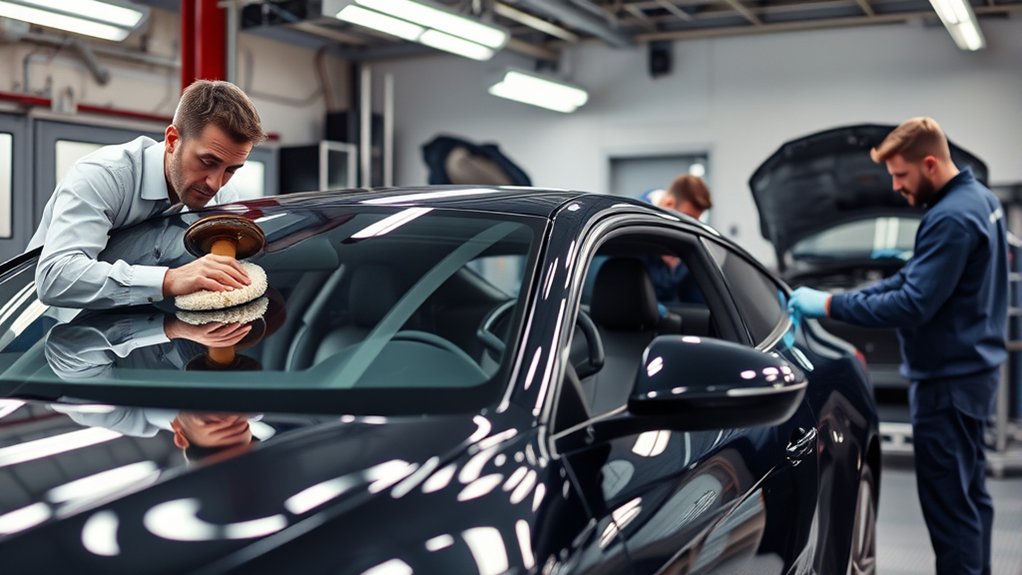
Although car reconditioning services vary, they typically cover essential repairs and cosmetic improvements to restore your vehicle’s appearance and functionality. When you opt for these services, you can expect thorough interior detailing that cleans and rejuvenates your car’s cabin, removing stains, odors, and dirt from upholstery, carpets, and surfaces. This not only makes your car look great but also improves your driving experience.
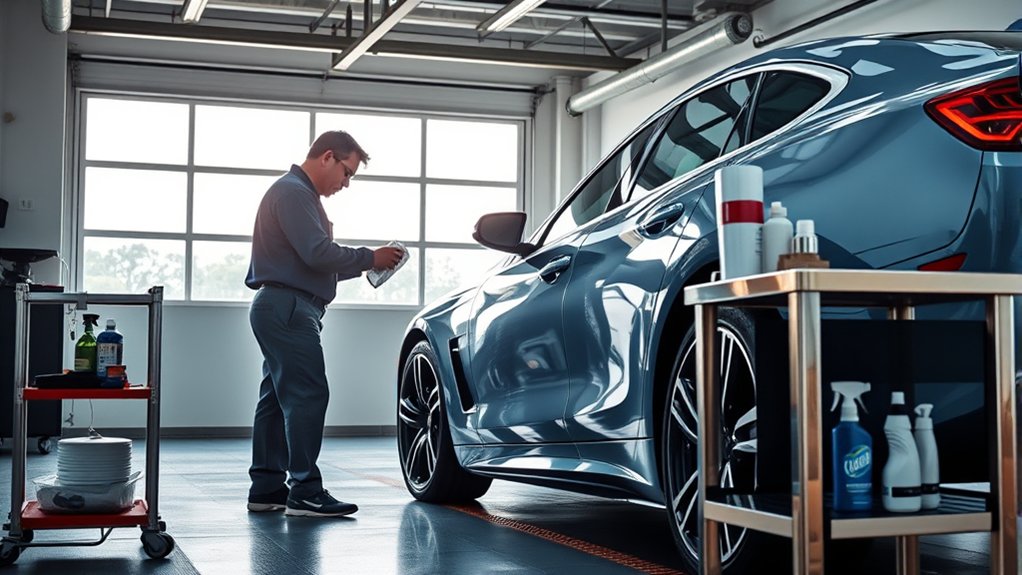
On the exterior, paint correction plays a key role. It eliminates surface imperfections like scratches, swirl marks, and oxidation, restoring your car’s original shine. Technicians use specialized tools and compounds to carefully smooth out the paint, making your vehicle look almost new. Beyond these, car reconditioning might include minor mechanical repairs, tire checks, and replacing worn parts.
Why Car Reconditioning Is Essential for Used Cars
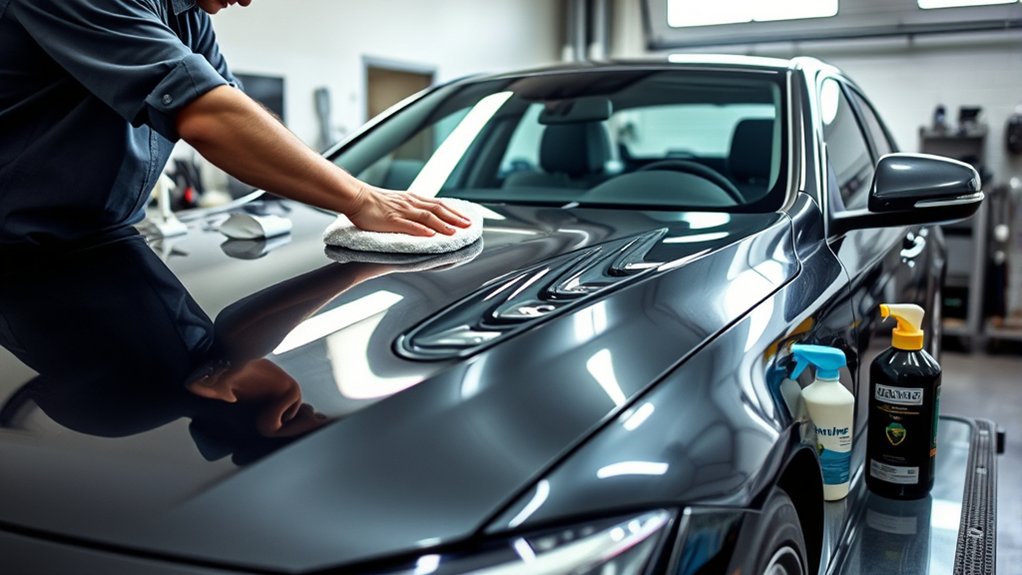
Because used cars often show signs of wear and tear, reconditioning is vital to restore their performance and appearance. When you invest in car reconditioning, you’re addressing both the mechanical and cosmetic aspects that have declined over time.
Interior detailing, for example, cleans and revitalizes your car’s cabin, removing stains, odors, and grime that can make your ride uncomfortable. Paint restoration plays a key role in revitalizing your car’s exterior, eliminating scratches and dullness to bring back its original shine.
Interior detailing refreshes the cabin while paint restoration renews the exterior’s shine and removes imperfections.
This process not only improves your vehicle’s look but also protects it from further damage caused by environmental factors. By choosing reconditioning, you guarantee your used car remains reliable and appealing, which can save you money on repairs later and boost your driving experience.
Ultimately, reconditioning helps maintain your car’s value and keeps it running smoothly for years to come.
How Cosmetic Repairs Boost Your Car’s Value
Beyond restoring your car’s appearance, cosmetic repairs directly increase its market value. When you invest in paint restoration, you erase scratches and fading, making your car look newer and more appealing to buyers. A fresh, glossy finish signals that the vehicle has been well cared for, which can justify a higher asking price.
Interior detailing also plays an essential role. By thoroughly cleaning and refurbishing your car’s interior, you remove stains, odors, and wear, creating a fresh, inviting environment. Potential buyers notice these details and are more likely to perceive the car as valuable and well-maintained.
Together, paint restoration and interior detailing create a strong first impression that can boost your car’s resale value considerably. If you want to maximize your return, focusing on these cosmetic repairs is a smart move that pays off by attracting buyers willing to pay more for a car that looks and feels like new.
Mechanical Repairs Covered in Car Reconditioning
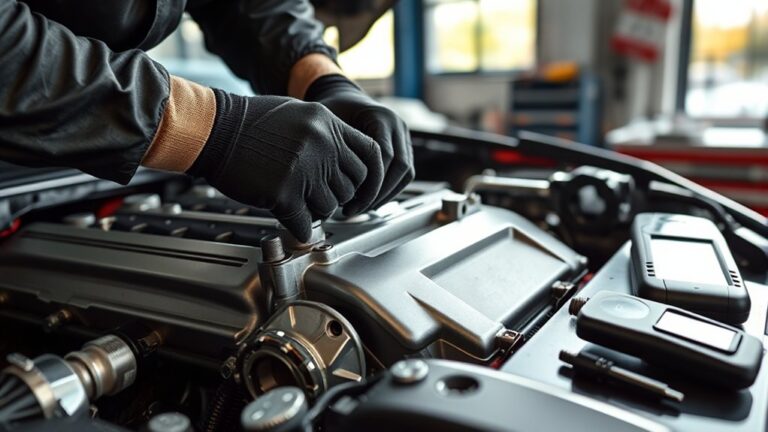
When you opt for car reconditioning, mechanical repairs play a crucial role in guaranteeing your vehicle runs smoothly and reliably. The process starts with thorough engine diagnostics to identify any issues affecting performance or fuel efficiency. These diagnostics help pinpoint problems early, preventing costly breakdowns.
Beyond the engine, reconditioning covers essential repairs like fixing brakes, suspension, and transmission components to restore your car’s safety and drivability.
Reconditioning ensures vital repairs to brakes, suspension, and transmission for safer, smoother driving.
While mechanical repairs focus on function, they often complement cosmetic work such as paint touch ups. Addressing minor scratches or chips during mechanical service keeps your car looking sharp and protected from rust.
Together, these repairs not only improve your vehicle’s reliability but also boost its resale value. By tackling both mechanical and cosmetic concerns, car reconditioning guarantees your vehicle feels like new inside and out, giving you peace of mind every time you hit the road.
When Should You Use a Professional Car Reconditioning Service?
How do you know it’s time to call in a professional car reconditioning service? Here are three clear signs:
- Your car’s interior needs a refresh. If your seats, carpets, and dashboard look worn or stained, professional interior cleaning can restore that fresh, like-new feel.
- You’re preparing to sell or trade in your vehicle. A thorough reconditioning can boost appeal by addressing cosmetic and mechanical issues, making your car stand out.
- You want to maintain your engine’s performance. Engine detailing removes grime and buildup that can affect efficiency and longevity, keeping your engine running smoothly.
Using a professional service ensures these tasks are done with expertise, saving you time and effort. When you notice your car isn’t looking or running its best, it’s a smart move to schedule a car reconditioning session. This way, you keep your vehicle in top shape, inside and out.
How Car Reconditioning Benefits Dealers and Sellers
When you recondition a car, you’re actually boosting its market value and making it way more appealing to buyers. It’s a smart move because it helps you sell vehicles faster by showing them in their best shape. On top of that, it cuts down the chances of any post-sale problems, which means less time spent dealing with issues and more time for other things.
Enhancing Vehicle Market Value
Why settle for a lower price when a simple car reconditioning can *improve* your vehicle’s market value considerably? By investing in key services, you can make your car more appealing and justify a higher asking price. Here’s how:
- Interior detailing removes stains, odors, and wear, making the cabin look and feel like new.
- Paint restoration eliminates scratches and dullness, restoring the car’s exterior shine and protecting it from rust.
- Addressing minor mechanical issues ensures the vehicle runs smoothly, increasing buyer confidence.
When you take these steps, you not only *boost* your car’s appearance but also its perceived value. Reconditioning isn’t just about looks. It’s about presenting a well-maintained vehicle that buyers are willing to pay more for.
Speeding Up Sales Process
Boosting your car’s value through reconditioning doesn’t just attract higher offers. It also speeds up the entire sales process. When you invest in thorough interior detailing, your vehicle looks cleaner and feels fresher, instantly catching buyers’ attention.
Plus, running engine diagnostics beforehand helps you identify and fix hidden issues. This gives you confidence and transparency during negotiations. This proactive approach means fewer delays waiting on repairs or second thoughts from potential buyers.
Reducing Post-Sale Issues
Although reconditioning requires an upfront effort, it considerably reduces post-sale issues that can frustrate both dealers and sellers. When you invest in thorough car reconditioning, like interior detailing and engine cleaning, you set the stage for smoother transactions.
Here’s how it benefits you:
- Minimized Complaints: A spotless interior and a clean engine cut down on buyer dissatisfaction and unexpected repairs.
- Fewer Returns: Proper reconditioning guarantees the vehicle meets expectations, reducing the chances of returns or renegotiations.
- Improved Reputation: Delivering cars in great condition builds trust, leading to repeat customers and positive reviews.
What to Expect During Car Reconditioning
When you bring your car in for reconditioning, the service team starts by thoroughly inspecting every component to identify any issues. They run engine diagnostics to detect hidden mechanical problems and guarantee your vehicle runs smoothly.
Next, the team addresses any necessary repairs or replacements, focusing on both performance and safety.
On the cosmetic side, expect detailed interior cleaning. This includes deep cleaning carpets, seats, and dashboard surfaces to restore your car’s interior to like-new condition. Exterior work might involve paint touch-ups and polishing to improve your car’s appearance.
Throughout the process, the technicians stay focused on quality and efficiency, aiming to deliver a vehicle that looks great and performs reliably. You’ll likely get updates on the progress, helping you stay informed.
Typical Costs of Car Reconditioning Services
You’ll find that car reconditioning costs can vary quite a bit depending on what services you need. Usually, the price ranges from a few hundred to over a thousand dollars.
Things like the condition of your car, how extensive the repairs are, and the quality of materials used all affect the final cost.
Knowing these factors ahead of time can really help you budget better for your car’s makeover.
Average Price Ranges
Because car reconditioning covers a range of services, from minor touch-ups to extensive repairs, its costs can vary widely. When budgeting, here’s what you might expect:
- Interior detailing typically runs between $100 and $250, depending on the vehicle’s size and the service depth.
- Engine diagnostics usually cost around $50 to $150, helping identify issues before they worsen.
- Minor exterior repairs, like paint touch-ups or dent removal, can range from $150 to $500, depending on damage severity.
Knowing these averages helps you plan without surprises. Keep in mind, combining services often reduces overall costs. Whether you want a fresh interior, a clean bill of health under the hood, or a polished exterior, these price ranges provide a useful starting point for your car reconditioning needs.
Factors Influencing Costs
How much you’ll pay for car reconditioning depends on several key factors. Your location, the extent of damage, and the materials used all play roles. Services that follow strict certification standards often cost more but ensure quality and safety.
Moreover, eco-friendly processes that minimize environmental impact might raise prices slightly but benefit the planet. Understanding these factors helps you budget effectively.
| Factor | Impact on Cost |
|---|---|
| Location | Labor rates vary widely |
| Damage severity | More repairs mean higher fees |
| Certification standards | Certified shops charge more |
| Materials used | Premium parts increase costs |
| Environmental impact | Green processes may add fees |
How to Choose the Right Car Reconditioning Provider
When selecting a car reconditioning provider, it’s essential to take into account their experience and reputation in the industry. You want a team that handles insurance claims efficiently and understands the environmental impact of their work.
To help you choose the right provider, consider these three key points:
- Check credentials and reviews: Look for certifications and customer feedback to gauge reliability and quality.
- Evaluate their insurance claims process: A provider familiar with handling claims can save you time and hassle.
- Assess their environmental practices: Opt for providers who use eco-friendly materials and methods to minimize environmental harm.
Benefits of Regular Car Reconditioning for Your Vehicle
Regular car reconditioning is a great way to keep your vehicle running smoothly and improve its overall performance. Plus, it helps protect your investment by maintaining the car’s resale value over time. When you stay on top of reconditioning, you’re making sure your vehicle stays in great shape for years to come.
Enhances Vehicle Performance
Why does your vehicle feel sluggish or less responsive over time? Regular car reconditioning can fix that by enhancing your vehicle’s performance. Here’s how it helps:
- Engine tuning optimizes fuel efficiency and power output, making your car run smoother and faster.
- Interior detailing removes dirt and grime that can cause wear on controls and switches. This ensures every part functions properly.
- Inspecting and replacing worn components prevents breakdowns and keeps your car operating at peak performance.
Maintains Resale Value
How much value does your vehicle lose over time without proper care? Without regular attention, your car’s appeal and function decline, cutting into its resale value.
Car reconditioning helps you maintain that value by addressing both the inside and outside of your vehicle. Interior detailing removes stains, odors, and wear, keeping the cabin fresh and inviting. Paint restoration repairs scratches and restores shine, protecting your car from rust and making it look nearly new.
When you invest in these services, you show potential buyers that your car’s been well cared for, which can increase its market price. Ultimately, regular reconditioning preserves your vehicle’s worth, making it easier to sell and ensuring you get the best return on your investment.
Frequently Asked Questions
How Long Does a Typical Car Reconditioning Process Take?
A typical car reconditioning process usually takes between one to three days, depending on the vehicle’s condition. You’ll find that paint correction can be time-consuming, especially if there are scratches or oxidation to fix.
Interior detailing also adds to the timeframe, as it involves deep cleaning and restoring surfaces. If your car needs extensive work, expect it to take longer. But for minor touch-ups, a day might be enough.
Can Car Reconditioning Fix Accident Damage?
You know how sometimes a small scratch seems to appear right after you just got your car cleaned? Well, good news: car reconditioning can fix accident damage, especially minor dents and scratches. Paint correction will erase those pesky marks, making your car look flawless again.
Plus, interior detailing refreshes the inside, so your car feels as good as it looks outside. So yes, it’s a great way to restore your car after an accident.
Is Car Reconditioning Covered by Insurance?
Insurance usually doesn’t cover car reconditioning services like paint correction or interior cleaning because they’re considered maintenance, not repairs from accidents. You’ll want to check your specific policy, but these services are often out-of-pocket expenses.
If the reconditioning is part of fixing accident damage, your insurer might cover it. However, standalone tasks like paint correction or interior cleaning typically aren’t included. Always confirm with your insurance provider before proceeding.
Are DIY Car Reconditioning Kits Effective?
If you think DIY car reconditioning kits work like magic wands, you’d be partly right. Their effectiveness depends on the quality of the products and your skill with DIY techniques.
While some kits can handle minor scratches and interior touch-ups well, they might fall short on deeper issues. So, if you’re confident and patient, these kits can save you money, but don’t expect professional-level results every time.
Does Reconditioning Affect a Car’s Warranty?
Reconditioning can affect your car’s warranty, depending on the work done and who performs it. If the service provider uses approved parts and methods, your warranty implications are minimal, and service coverage usually remains intact.
However, unauthorized modifications or poor workmanship might void specific warranty sections. Always check your warranty terms and consult your dealer before reconditioning to make certain you don’t unintentionally lose important service coverage.
Conclusion
Car reconditioning is like giving your car a fresh start, boosting its value and performance. By addressing cosmetic and mechanical issues, you guarantee your vehicle looks great and runs smoothly.
Whether you’re prepping to sell or just want your car in top shape, professional reconditioning saves you time and stress. Regular care keeps your car reliable and appealing, making every drive better for you and your passengers.
In the end, investing in a car reconditioning service ensures your vehicle stays in excellent condition and holds its value longer.